UK to pursue ‘pragmatic relationship’ with China despite US calls for trade barriers
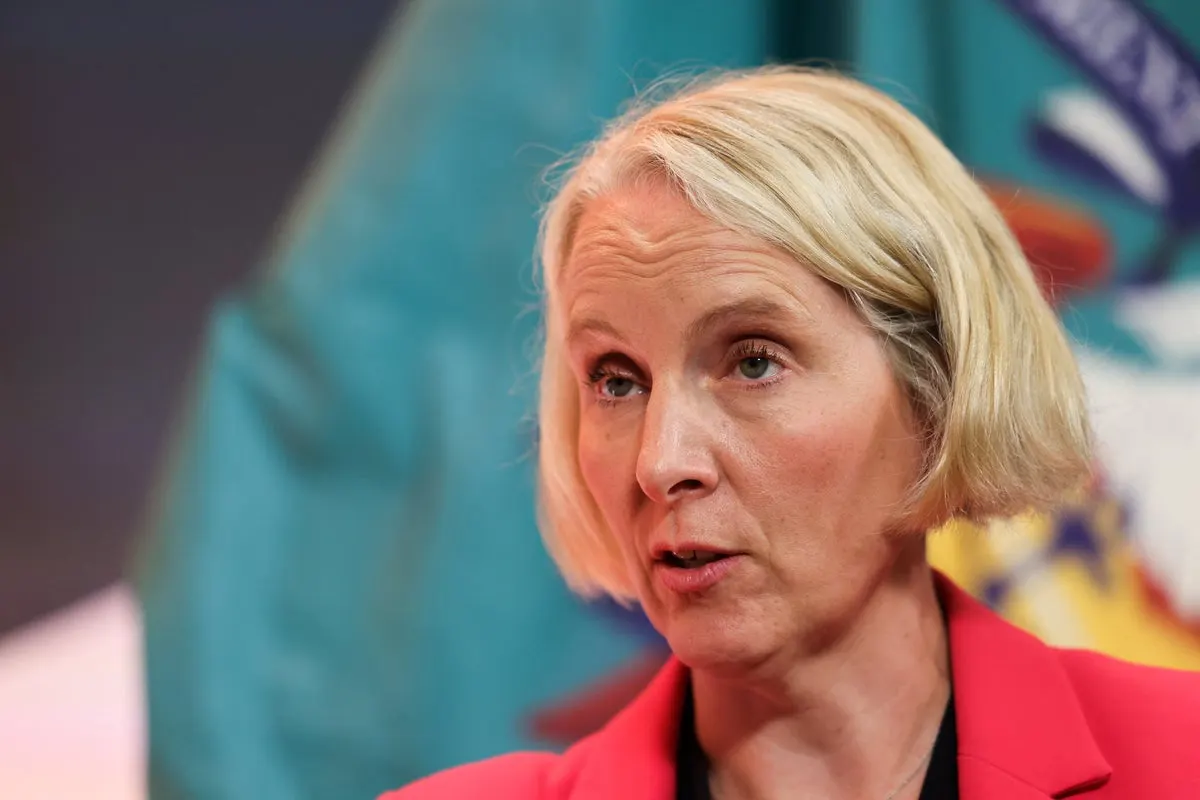
Britain has said it will maintain a "pragmatic relationship" with China on trade, resisting pressure from the United States to erect fresh barriers against Chinese goods. Chief Secretary to the Treasury Emma Reynolds made the comments during the G20 finance leaders' meeting in North Carolina, distinguishing China from adversarial states such as Iran and Russia, which face UK sanctions and embargoes. The stance highlights a divergence between London and Washington on how to respond to global trade imbalances linked to China's manufacturing dominance.
Reynolds said the UK would continue to cooperate with China where interests align while challenging it on areas of disagreement, adding that Britain generally favours free trade over protectionism. This puts her at odds with US Treasury Secretary Scott Bessent, who is urging G20 counterparts to adopt tariff measures similar to those imposed by the Trump administration to shield jobs and manufacturing from a flood of Chinese imports. Critics, including the Tax Foundation think tank, note that US tariffs introduced through 2025 have already pushed up retail prices for imported goods by roughly 7% compared with pre-tariff trends.
In short
- UK to keep "pragmatic" China trade ties despite US pressure
- US urges G20 allies to impose China tariffs like Trump's
- Economists say US tariffs have raised import prices by about 7%
Steelman: both sides, in good faith
The strongest fair case each way — we don't pick a winner.
The case for
A pragmatic trading relationship lets Britain keep access to Chinese markets and lower-cost goods while cooperating where interests align. Because tariffs can raise prices for consumers and businesses, Britain can argue that targeted engagement and challenges on specific disputes serve its interests better than broad trade barriers.
The case against
China’s manufacturing scale and trade practices may put pressure on British producers, jobs and long-term industrial capacity. Supporters of barriers argue that coordinated tariffs could give domestic industries time to adjust and reduce dependence on Chinese supply, even if consumers face higher prices in the short term.
Explained simply
China is a major manufacturer and exporter, and its goods are sold around the world. Governments differ over how to respond when imports compete with domestic industries: they can impose tariffs, which are taxes on imported goods, or keep trade more open.
The UK and the US are close allies, but they do not always take the same approach to trade. Britain says it will work with China where their interests coincide and challenge it where they differ; the US has pressed for more barriers to Chinese imports.
These choices can affect businesses, jobs and the prices people pay. They also shape how countries balance economic ties with China against disagreements over trade and other issues.
Americas Asia Politics UK World