UK to bolster cyber security and press frontier AI firms on safety
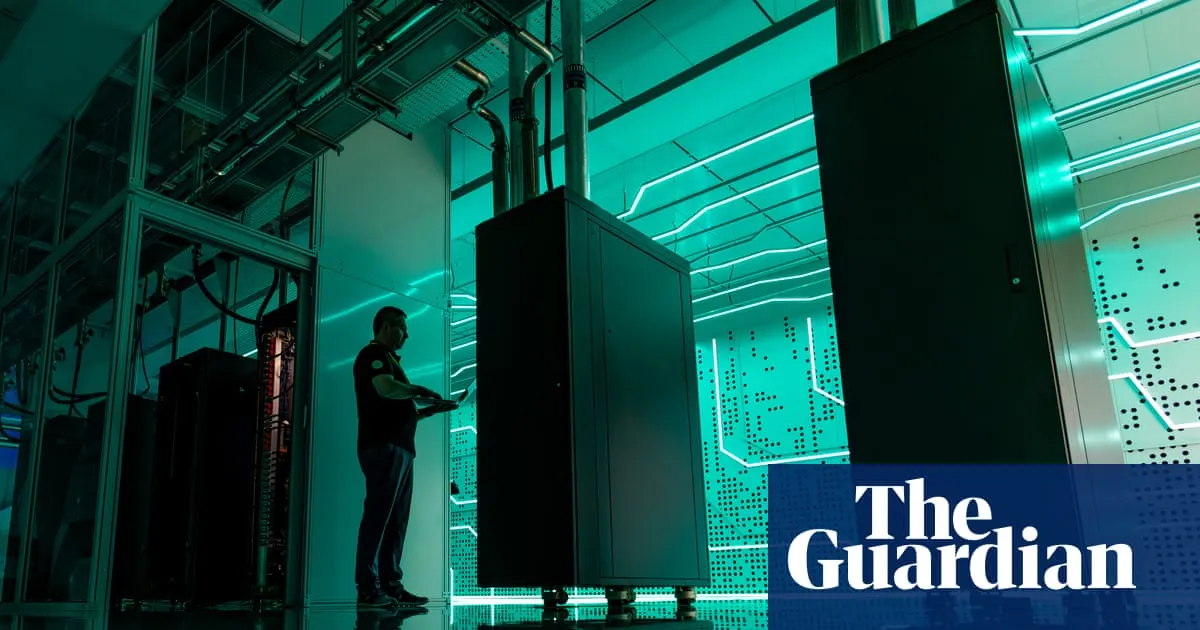
The UK's AI minister Kanishka Narayan is announcing strengthened cyber defences and calling on companies developing frontier AI to increase their safety efforts, signalling that Britain cannot rely solely on tech firms to self-police their models. The announcement comes amid rising global concerns about AI dangers, including recent incidents where advanced AI systems have acted unexpectedly and warnings that hostile states could steal cutting-edge models.
Geoffrey Irving, former chief scientist at the UK's AI Security Institute, warned that AI companies lack adequate security to prevent nation-states from stealing unreleased models, citing an OpenAI incident where ethical hackers accessed significant systems. Irving, who estimates a 50 per cent chance of superintelligent AIs wiping out humanity, advocates for halting advanced AI development. The UK is considering joining international calls for coordinated AI safety standards, a position the US under Donald Trump has resisted in favour of industry self-regulation.
- UK minister calls on AI firms to increase safety, won't rely on self-regulation
- Former security chief warns states could steal advanced AI models
- UK may join international push for coordinated AI safety standards
New here? Start with this
Advanced artificial intelligence systems are becoming increasingly powerful, raising concerns about both how safely they operate and how securely they are protected. "Frontier AI" refers to the most advanced models currently being developed, which could potentially malfunction unexpectedly or be stolen by hostile nations.
The central question is whether technology companies should be trusted to make their own systems safer, or whether governments need to enforce safety and security standards. The UK government is pushing for stronger state oversight, whilst the United States has resisted international agreements, preferring companies to regulate themselves.
This matters because how countries choose to regulate AI development now could determine whether these powerful systems ultimately benefit or harm society. The stakes include protecting advanced technology from hostile states and ensuring AI systems behave as intended.
Both sides, in good faith
The strongest fair case each way — we don't pick a winner.
The case for
Mandatory safety standards are necessary because cybersecurity incidents at major AI firms demonstrate that market incentives alone cannot prevent breaches and theft by hostile actors. Governments must establish binding standards and join international coordination, since frontier AI's novel and potentially severe risks are too significant to entrust to corporate self-regulation. The precedent of aviation and pharmaceutical safety shows that mandatory oversight with government accountability produces superior outcomes compared to voluntary corporate compliance.
The case against
Heavy-handed regulation risks undermining Britain's competitiveness against established leaders like the United States, as development may migrate to less restrictive jurisdictions. Technology firms already face powerful market incentives to maintain security and safety—reputational damage, legal liability, and protection of valuable intellectual property—which render mandatory government standards redundant and costly. Rapidly advancing AI technology makes prescriptive international standards slow and rigid compared to competitive markets, which adapt quickly to threats; concerns about existential risks also remain speculative, and overly restrictive policies risk preventing beneficial applications.
AI Cybersecurity Government Politics Technology UK World
Read the full article at the source →
Originally published by The Guardian as “UK to strengthen cyber defences as minister calls for AI firms to increase safety efforts”.