World news and discussion on TalkFuse.
Ukraine condemns decision to hand world nuclear body lead role to sanctioned Russian
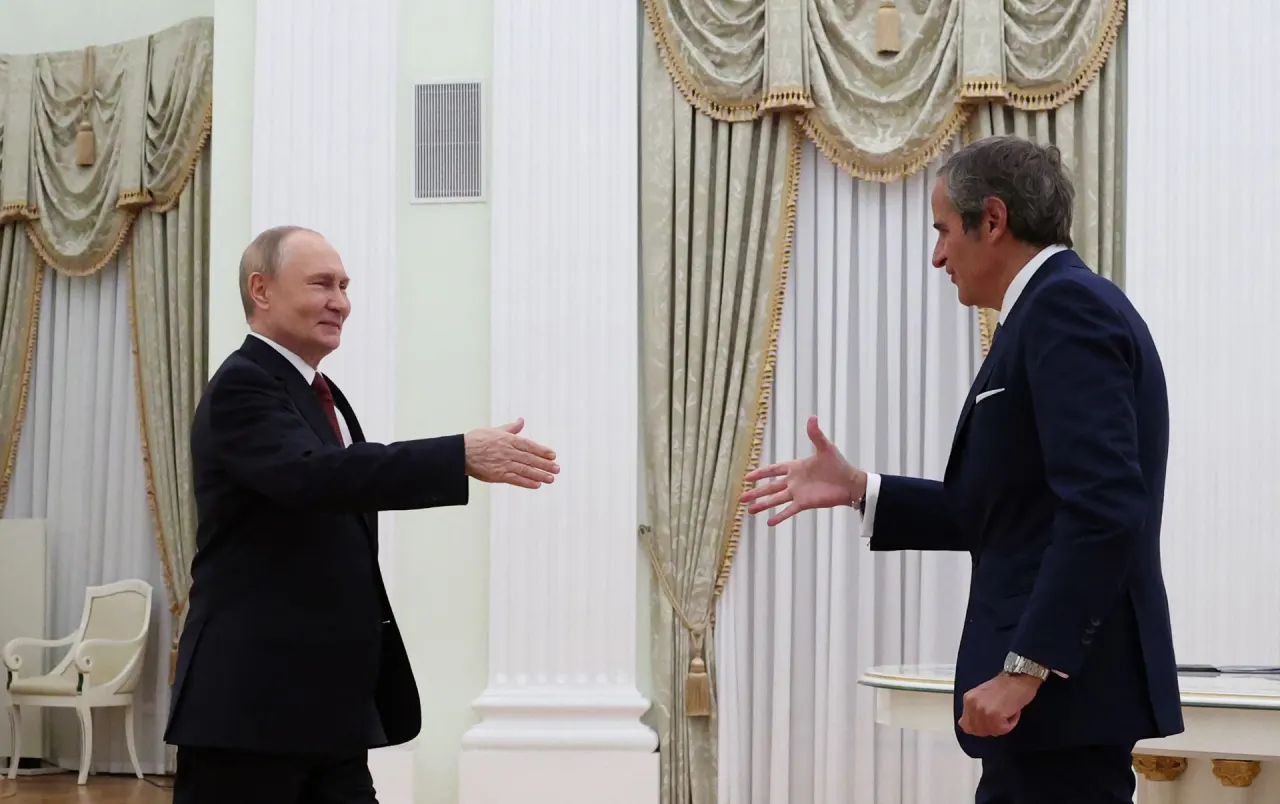
Ukraine’s foreign and energy ministries have condemned the appointment of Russian official Alexey Ferapontov as deputy director general of the International Atomic Energy Agency (IAEA). They argue that placing a representative of a Russian state body in a senior role conflicts with the agency’s nuclear safety mandate, given Russia’s actions at Ukraine’s Zaporizhzhia nuclear power plant.
Ferapontov was sanctioned by Ukraine in 2023 for his senior role at Russia’s nuclear regulator, Rostekhnadzor. Ukraine says it had urged the IAEA against his appointment and is calling for it to be cancelled, while asking other member states to protest. IAEA director general Rafael Grossi has said the plant’s 9 November power outage was the 27th during the conflict; regulators from 38 countries had also warned of rising winter accident risks.
In short
- Ukraine condemns Ferapontov’s appointment as an IAEA deputy director general.
- Kyiv says his role conflicts with the agency’s nuclear safety mandate.
- Ukraine wants the appointment cancelled and other members to protest.
Steelman: both sides, in good faith
The strongest fair case each way — we don't pick a winner.
The case for
Ukraine’s objection is that appointing a senior Russian nuclear regulator risks undermining confidence in the IAEA’s independence and its duty to protect nuclear safety, particularly after repeated power outages at Zaporizhzhia. It argues that a sanctioned official linked to Russia’s regulator should not hold a senior role while Russia’s actions at the plant remain a source of danger, and that member states should press for the appointment to be reconsidered.
The case against
The strongest case for retaining the appointment is that the IAEA is an international technical body whose work depends on engaging nuclear authorities across member states, including Russia. A senior official’s nationality or sanctions by Ukraine need not by themselves establish that he is unfit for the role; keeping him in post could support the agency’s ability to communicate with Russian regulators and carry out its safety mandate.
Europe Geopolitics Government Politics World