World news and discussion on TalkFuse.
Ukraine, Norway to expand joint DESNA air defense system as Oslo plans $7 billion in 2027 aid
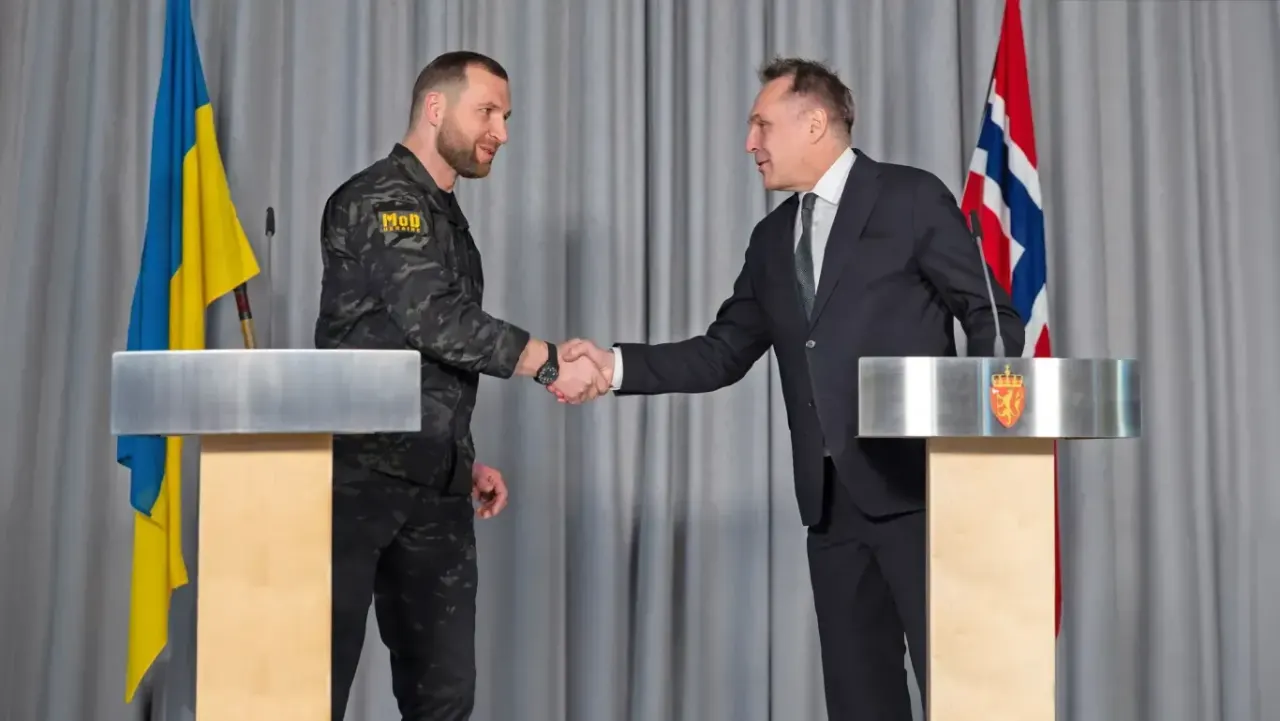
Ukraine and Norway plan to expand the deployment of DESNA, a joint air defence system already operating in Ukraine, while Oslo prepares at least $7 billion in aid for 2027. The cooperation comes as Russian attacks intensify and Ukraine faces a shortage of interceptor missiles, making European military support increasingly important.
Ukraine’s defence minister Yevhenii Khmara said DESNA combines a Ukrainian launcher and missiles with Norwegian fire-control technology, and has proved effective against Russian drones, including jet-powered types. The planned Norwegian aid will prioritise air defence and interceptor missiles; discussions also covered aircraft, ammunition, unmanned systems and joint production. Norway will also receive access to parts of Ukraine’s DELTA battlefield management system to adapt for its armed forces, with no transfer of Ukrainian operational data under the agreement.
In short
- Norway plans at least $7 billion in aid to Ukraine in 2027.
- Ukraine and Norway will expand their joint DESNA air defence system.
- Norway will adapt parts of Ukraine’s DELTA battlefield platform.
Steelman: both sides, in good faith
The strongest fair case each way — we don't pick a winner.
The case for
Expanding DESNA and committing substantial aid could help Ukraine protect civilians and infrastructure as Russian attacks intensify and interceptor stocks run short. Supporters may also see joint production and reciprocal technology cooperation as a way to strengthen European defence while helping Ukraine sustain its own security.
The case against
Critics may argue that a large, multi-year commitment risks placing a growing burden on Norwegian public finances and could draw resources from other priorities. They may also question whether deeper military cooperation and technology sharing could increase Norway’s exposure to escalation, and argue for clearer limits and scrutiny of how the aid is used.
Explained simply
Ukraine has faced repeated Russian missile and drone attacks since Russia launched its full-scale invasion in 2022. Air defence systems use radar and other technology to detect incoming threats, then launch interceptor missiles to destroy them before they hit their targets.
DESNA combines equipment developed in Ukraine and Norway: a Ukrainian launcher and missiles with Norwegian fire-control technology, which helps guide engagements. Norway has supported Ukraine militarily and financially since the invasion, while Ukraine has developed battlefield software such as DELTA to help its forces share information and coordinate operations.
The cooperation matters because Ukraine needs air defence equipment and interceptor missiles to protect people and infrastructure, and European countries are an important source of support. It also reflects a wider effort by Ukraine and its partners to work together on defence technology and production.
Europe Government Politics Russia-Ukraine War World