Ukraine turns key Crimean waterway into Russia’s own Strait of Hormuz after relentless strikes on shadow fleet – as 200th ship is hit in three weeks
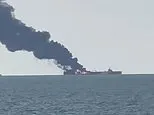
Ukrainian forces have intensified attacks on Russia's "shadow fleet" of tankers operating in Crimean waters, striking 200 vessels within a three-week period, according to reports. The sustained campaign has effectively transformed the key Crimean shipping route into a high-risk chokepoint likened to the Strait of Hormuz, disrupting the flow of sanctioned oil and cargo that Moscow relies on to sustain its economy and war effort.
The shadow fleet consists largely of ageing, often unregistered or falsely flagged tankers that Russia uses to circumvent Western sanctions on its oil exports. By repeatedly targeting these vessels near occupied Crimea, Ukraine appears to be seeking to raise the cost and risk of using the waterway, potentially deterring shipping firms and insurers from servicing Russian trade through the region.
In short
- Ukraine has struck 200 shadow fleet ships in three weeks near Crimea
- Attacks liken the waterway to the high-risk Strait of Hormuz
- Campaign targets vessels evading sanctions on Russian oil exports
Steelman: both sides, in good faith
The strongest fair case each way — we don't pick a winner.
The case for
Ukraine confronts an invading force and the shadow fleet directly sustains Russia's military capacity and occupation through sanctions evasion. Targeting such war-enabling economic infrastructure rather than civilians accords with established wartime practice and international humanitarian law. The sanctions these vessels circumvent were imposed by the international community specifically because Russia's economy funds illegal aggression, making their disruption a strategically sound and proportionate defence measure.
The case against
Attacking merchant vessels creates serious humanitarian concerns, particularly regarding third-country crews uninvolved in Russia's invasion. Beyond moral questions, this strategy risks destabilising global energy markets and provoking Russian retaliation against Ukrainian civilians, potentially escalating the conflict rather than resolving it. Some argue that whilst the strategic objective has merit, striking commercial shipping crosses important legal and maritime thresholds, raising questions about precedents and escalation risks that extend beyond this specific conflict.
Explained simply
Ukraine has launched strikes against ships operating near Crimea, hitting around 200 vessels in recent weeks. These attacks are making the shipping route increasingly hazardous and disrupting the transport of oil and goods that Russia relies on.
Russia faces Western economic sanctions that prevent most countries from buying its oil directly. To work around these restrictions, Russia uses ageing tankers that are often unregistered or falsely registered to transport oil and cargo to international buyers. These vessels are collectively known as the shadow fleet.
By repeatedly targeting these ships, Ukraine aims to make the route too dangerous and costly for shipping companies and their insurers to use. If merchants stop using this waterway, Russia loses a significant way of selling oil abroad to sustain its economy and military operations.