Culture news and discussion on TalkFuse.
Ukrainian Drone Strikes Cripple Yandex Data Centres; Bot Network Takedown Claims Debunked
Developed over time first seen 2 months ago
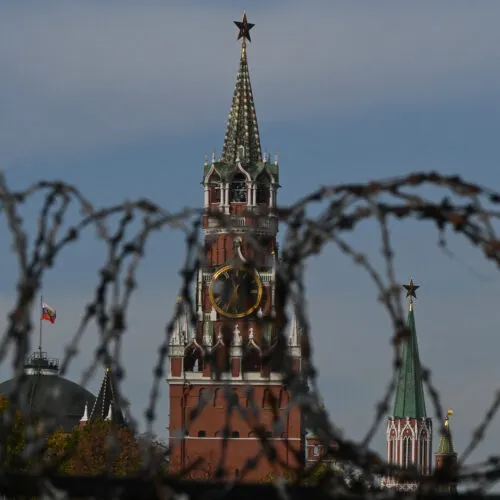
Ukrainian drone strikes have left many Yandex-operated systems offline, disrupting services including digital payments. Claims that the attacks also sharply reduced Russian disinformation bot activity are unsupported: widely shared charts appear to show Yandex web crawler requests or use unverified data.
A Cloudflare chart tracks automated requests to Yandex services, not bot activity across Russia, which the company’s data shows remained largely unchanged. A separate chart said to show activity around Germany’s AfD party has no established source and may be AI-generated; it includes a future date. Yandex users have been unable to transfer funds, check balances or make purchases, and the company has not given a restoration timeline.
- Sources
- 2
- Outlets
- 2
- Left · Centre · Right
- 0 · 0 · 0
In short
- Drone strikes disrupted many Yandex services.
- Cloudflare data does not show Russian disinformation bots declining.
- Yandex has not provided a restoration timeline.
How this story developed
- 1 month ago The latest coverage challenges claims that Ukrainian drone strikes on Yandex data centres sharply reduced Russian disinformation bots: the widely shared Cloudflare chart tracks automated Yandex web crawlers, not social media activity.
- 2 months ago Ukraine conducted drone strikes against three major Yandex data centres operated by Russia over several days, disrupting services from the country's largest search engine and digital platforms. The attacks followed a pattern of tit-for-tat strikes, with Russia having previously targeted Ukrainian telecoms and data infrastructure.
- 2 months ago Ukrainian drone strikes have left many Yandex-operated systems offline, disrupting services including digital payments. Claims that the attacks also sharply reduced Russian disinformation bot activity are unsupported: widely shared charts appear to show Yandex web crawler requests or use unverified data.
Full account
Over the past several days, Ukraine has targeted major Russian data centres in retaliation for Moscow's earlier campaign against Ukrainian digital infrastructure. In late September, Russia launched extensive strikes against Ukrainian telecommunications and computing facilities, disrupting internet and mobile services for approximately 100,000 people in Kyiv as part of a wider offensive involving missiles and drone strikes on energy networks and civilian areas. President Zelenskyy characterised Ukraine's subsequent response as symmetrical in nature.
Ukrainian forces have successfully damaged or disabled three principal data centres operated by Yandex, Russia's dominant internet services company, between 8 and 11 October. The first strike, near Sasovo southeast of Moscow, damaged a facility housing two of Yandex's three artificial intelligence training supercomputers, both built with Nvidia A100 processors. The second attack struck a major Yandex installation in the Kaluga region southwest of the capital, with a capacity exceeding 60 megawatts. A third strike forced Yandex to cease operations at another facility in Vladimir, east of Moscow, where the company's third supercomputer was located.
The destruction of these data centres has triggered significant disruptions across Russia's digital ecosystem. Users have experienced outages or service degradation affecting payment systems, online banking platforms, email services, e-commerce sites, video streaming platforms, ride-sharing and food delivery applications, and mapping services. The damage has underscored the fragility of Russia's highly centralised digital infrastructure, with independent Russian commentators warning that the country's technology sector could face collapse if such attacks persist, contrasting markedly with Ukraine's more distributed systems.
Following the strikes, various charts circulated on social media platforms suggesting a dramatic collapse in Russian bot activity, particularly regarding disinformation campaigns and politically targeted operations. However, these claims have faced substantial scrutiny from researchers. The purported bot traffic declines actually represent automated search engine crawlers used for indexing websites and providing customer support, rather than malicious disinformation networks. Other viral charts purporting to show dramatic drops in coordinated inauthentic behaviour, particularly regarding Germany's far-right AfD party, have been flagged as potentially fabricated or artificially generated, with inconsistencies including data points from future dates.
The strikes have prompted discussion amongst Russian technology commentators about systemic vulnerabilities in Moscow's centralised approach to digital services. Kremlin-aligned observers have cautioned that Russia, having initiated the data centre conflict, appears unprepared for the consequences of tit-for-tat infrastructure targeting. The contrasting resilience profiles between Russia's concentrated system and Ukraine's more decentralised approach may shape strategic calculations regarding further digital warfare.
Where outlets differ
From the full account, which is AI-written from the sources:
Source 1 emphasises technical specifications of damaged supercomputers and provides detailed attack timeline; Source 2 focuses on debunking circulated claims about disrupted disinformation networks
Source 1 discusses warnings from pro-Kremlin observers about systemic economic vulnerability; Source 2 concentrates on identifying misinformation and unverified imagery spreading across social platforms
Source 1 catalogues comprehensive list of affected Russian services; Source 2 clarifies the distinction between automated search crawler bots and malicious disinformation bot networks
Steelman: both sides, in good faith
The strongest fair case each way — we don't pick a winner.
The case for
The drone strikes inflicted substantial damage to Russian technological infrastructure, forcing Yandex services offline and disrupting operations that Russia relies upon for various purposes including information activities. Strategic value lies in degrading an adversary's technical capabilities; the operational harm caused represents meaningful impact regardless of whether every specific claim about metrics like bot reduction was accurately measured.
The case against
Whilst the strikes damaged Yandex's infrastructure, they did not achieve the strategic objective that was claimed—disrupting Russian disinformation. The evidence presented for this claim was demonstrably false: Cloudflare data tracked automated crawlers rather than social media bots, and claims about reduced propaganda activity appear based on potentially fabricated sources. Russian bot activity reportedly remained unchanged. Infrastructure damage cannot be credited with strategic success without evidence that it actually degraded the adversary's capability to execute disinformation operations.
Explained simply
Yandex is Russia's largest internet company, providing search services, email, cloud storage and payment systems to millions of users. Beyond its consumer services, the company's infrastructure also hosts systems used by Russian government and businesses, making it strategically important during conflicts.
Russia has conducted extensive campaigns to spread false information on social media and the internet, documented by researchers and governments globally. These campaigns often rely on automated bot accounts and networks to amplify messages and make false narratives appear more widespread than they are. Ukraine and its allies have sought to disrupt Russian technical capabilities as part of efforts to counter these information operations.
Information warfare is increasingly central to modern conflicts, with the ability to spread coordinated disinformation depending on functioning technical infrastructure. Attacks on major Russian internet companies could theoretically affect multiple capabilities at once, making questions about the extent of any operational disruption significant for understanding the broader conflict.
Coverage · 2 sources
Art Business Celebrity Cricket Culture Economy Entertainment Europe Russia-Ukraine War Sport World