Loznitsa condemns EU Venice Biennale funding cut over Russian pavilion
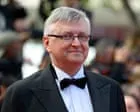
Ukrainian film-maker Sergei Loznitsa has criticised the European Commission for withdrawing €2m in funding from the Venice Biennale over the reopening of Russia's pavilion, calling the move "a punishment in kindergarten". Speaking ahead of the Venice film festival, he argued the funding row distracts from the EU's own failure to curb Russian gas imports, which he says continue to fund the war in Ukraine. The dispute is spilling over into the film festival, which is institutionally separate from the Biennale but will still feel the financial impact.
The Biennale drew criticism this spring for letting Russia use its pavilion for the first time since 2022, though the exhibition has been closed to the public since 9 May. The European Commission confirmed last month it was ending its multiyear grant, prompting Biennale president Pietrangelo Buttafuoco to accuse it of "abandoning our journey". This year's film festival programme has a notably political, Russia-focused slant, featuring Loznitsa's own film Imperium alongside works addressing repression in Belarus and exiled Russian journalists, reflecting the wider tensions the funding row has exposed.
In short
- EU cut €2m Biennale funding after Russia's pavilion reopened
- Ukrainian director Loznitsa calls the cut a distraction, not real action
- He blames EU gas imports for funding Russia's war instead
Steelman: both sides, in good faith
The strongest fair case each way — we don't pick a winner.
The case for
The EU can argue that funding is public endorsement as well as financial support, and that withdrawing the grant is a proportionate way to signal opposition to Russia’s return to the Biennale while the war continues. It may also contend that cultural institutions should face consequences when their decisions conflict with the values and foreign policy of their funders.
The case against
The Biennale can argue that a cultural pavilion is a venue for artistic exchange, not an endorsement of the Russian government, and that excluding Russian participation risks closing off space for independent voices. Critics of the cut may also see it as an inconsistent response that harms a wider cultural programme, especially when the EU’s continued gas imports are said to provide Russia with far greater economic support.
Explained simply
The Venice Biennale is an arts organisation that runs exhibitions and a separate film festival. Its national pavilions let countries present art at the event; Russia’s pavilion had not been used since 2022, when Russia launched its full-scale invasion of Ukraine.
The European Commission is the European Union’s executive body, and Pietrangelo Buttafuoco is the Biennale’s president. Sergei Loznitsa is a Ukrainian film-maker whose work is showing at the film festival, which is separate from the art exhibition but is affected by the Biennale’s finances.
The dispute touches on how European cultural organisations engage with Russia during the war, and how public funding can be used to express political objections. Loznitsa has also linked it to the EU’s continued imports of Russian gas, which he says help fund the war.
Art Culture Entertainment Europe Film World
Read the full article at the source →
Originally published by The Guardian as “Ukrainian film-maker criticises EU after it cuts Venice Biennale funding over Russia controversy”.