World news and discussion on TalkFuse.
Ukrainian strikes cut Russian oil refinery processing by 45%, Reuters reports
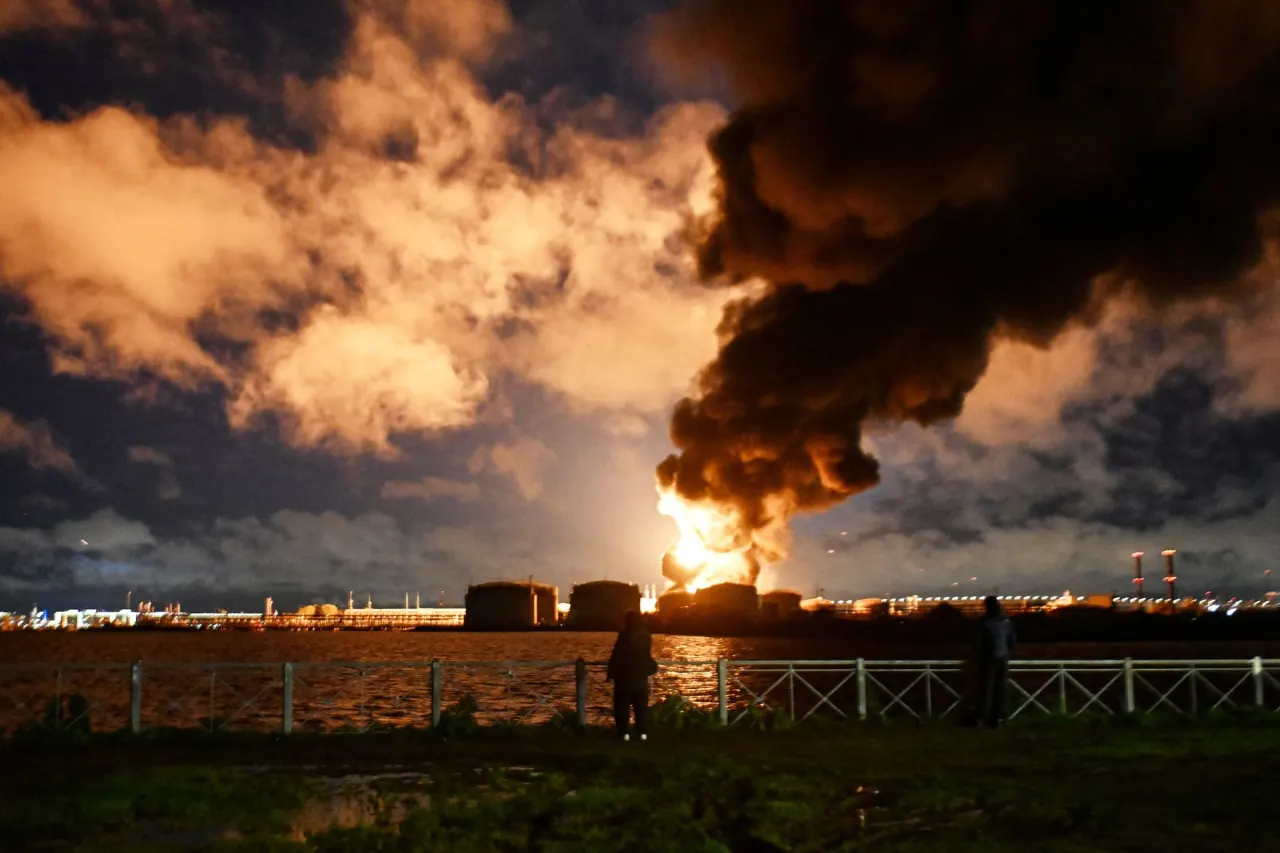
Ukrainian strikes have cut Russia’s crude oil processing by 45% since late October, according to Reuters figures cited in the article. The attacks target infrastructure that supports Russia’s armed forces and economy, and come as Moscow faces pressure on domestic fuel supplies while still exporting diesel.
Over the past 20 days, operations at 15 of Russia’s 35 major refineries have been disrupted or halted, with daily processing falling from 700,000 to about 400,000 metric tonnes. The latest estimate is higher than the roughly 30% reduction reported on 10 November; President Volodymyr Zelensky said on 15 November that 55% of refining capacity was offline. Ukraine says it will stop strikes on Russian refineries if Moscow halts attacks on Ukraine’s energy infrastructure.
In short
- Reuters reports Russian refinery processing is down 45% since late October.
- Strikes disrupted or halted operations at 15 of 35 major refineries.
- Ukraine says its refinery attacks depend on Russia stopping strikes on Ukrainian energy sites.
Steelman: both sides, in good faith
The strongest fair case each way — we don't pick a winner.
The case for
Ukraine can argue that striking refineries and related infrastructure is a legitimate way to weaken the resources supporting Russia’s military, and to impose costs in response to Russian attacks on Ukraine’s energy system. It says it would stop these strikes if Moscow halted its own attacks, presenting them as part of reciprocal pressure to protect Ukraine and deter further damage.
The case against
Critics can argue that refinery strikes risk worsening fuel shortages for Russian civilians and disrupting supplies beyond military use, while damage to energy infrastructure can raise economic and safety costs. They may also contend that reciprocal attacks on energy facilities deepen harm to civilians on both sides and make de-escalation harder, even if the targets contribute to wartime capacity.
Explained simply
Russia’s refineries turn crude oil into petrol, diesel and other fuels used at home and sold abroad. The country has 35 major refineries, and their output supports transport, industry and the armed forces.
Ukraine, led by President Volodymyr Zelensky, has attacked Russian energy facilities during the war, while Russia has also struck Ukraine’s energy infrastructure. Refinery disruption can affect fuel supplies and export earnings, linking the attacks to both the war effort and the wider economy.
Europe Russia-Ukraine War World