Small UK power plants face cyber threat until 2030
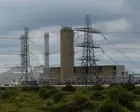
Hundreds of Britain’s smallest power plants may remain more exposed to state-backed cyber-attacks until the 2030s, despite an Iran-linked hack reportedly shutting a small gas plant for four days in July. The incident did not disrupt electricity supplies, but it has intensified concern that locally connected, unmanned generators have weaker security requirements than major power stations and grid assets.
Government plans require Ofgem to propose baseline cyber-resilience rules by the end of 2027, with implementation due by the end of 2030; the reported attack has not changed that timetable. The UK has hundreds of small gas plants used to boost supply during tight periods, while ministers have warned of four nationally significant cyber-attacks each week and critics have called for the rules to be accelerated.
- Iran-linked hack reportedly closed a small gas plant for four days
- Stronger cyber rules are not required until 2030
- Critics warn small generators remain vulnerable
New here? Start with this
Britain’s electricity comes from a mix of large power stations and smaller generators, including hundreds of gas plants that can provide extra power when supply is tight. Many of the smaller plants are locally connected and do not have staff on site around the clock.
Ofgem is the energy regulator, and the government plans to have it propose basic cyber-security rules for these plants by the end of 2027, with the rules due to take effect by the end of 2030. The concern is that smaller generators may have less protection than major power stations and grid assets, making the timing of stronger safeguards important to the security of the electricity system.
Both sides, in good faith
The strongest fair case each way — we don't pick a winner.
The case for
The July attack demonstrates that state-backed actors are actively targeting UK power infrastructure, yet the government has not accelerated its timetable despite this real-world incident. Hundreds of small plants remain materially more vulnerable than protected major stations, and with ministers warning of four nationally significant attacks weekly, the country is accepting years of elevated risk to critical infrastructure millions depend upon. Security should be treated as urgent, not deferred until 2030.
The case against
Implementing cyber-resilience standards across hundreds of disparate small plants requires careful technical development and phased deployment to be effective; rushing the process risks introducing poorly designed rules that fail to improve security. The July incident, whilst serious, caused no actual disruption to electricity supply, suggesting existing system resilience is functioning. A 2027-2030 timetable allows proper consultation with operators, resource planning, and implementation that strengthens the industry whilst remaining a genuine commitment to enhanced protections.
Business Cybersecurity Government Middle East Politics Technology UK World
Read the full article at the source →
Originally published by The Guardian as “UK’s small power plants face continued cyber risk after Iran-linked hack”.