World news and discussion on TalkFuse.
Britain’s autonomous submarine launches first torpedo in landmark AUKUS trial
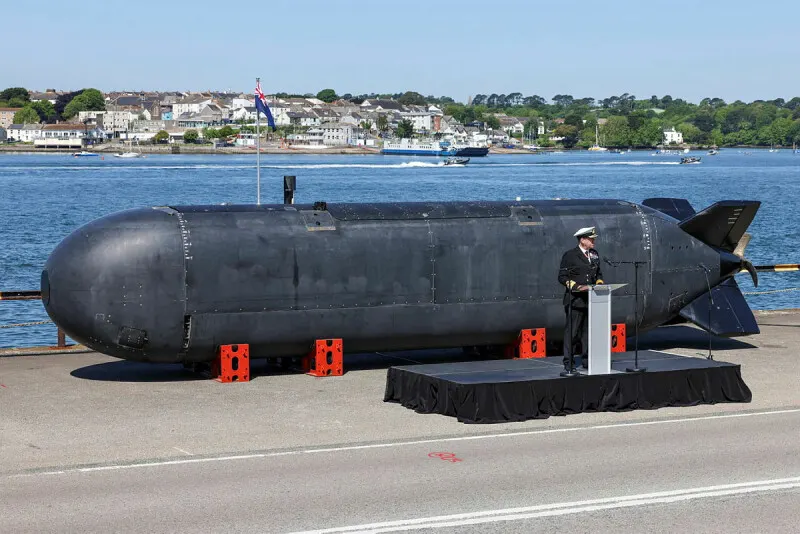
The XV Excalibur, Britain's experimental uncrewed submarine, has successfully test-fired a torpedo for the first time, marking a milestone for autonomous underwater vehicles. This test demonstrates that undersea drones can now perform attack roles alongside reconnaissance and surveillance duties. It is the first time either the United States or United Kingdom has launched a torpedo from an underwater drone rather than a crewed submarine, and the achievement was made as part of the AUKUS trilateral security partnership with Australia.
The 12-metre Excalibur, unveiled last year as part of Project CETUS, fired a heavyweight Mk 48 torpedo jointly developed by the US and Australia. The vehicle navigated autonomously to its launch position and executed the pre-programmed firing sequence, though target data was provided by external systems rather than onboard detection. Plymouth-based builder MSubs Ltd recently secured a £6.7 million contract to continue trials and evaluations. The Navy expects Excalibur to inform future uncrewed vessel requirements for patrolling the North Atlantic and protecting critical undersea infrastructure, including cables vulnerable to Russian sabotage during potential hostilities.
In short
- First UK/US torpedo fired from an autonomous underwater drone
- Part of AUKUS partnership and new UK-US AI autonomy defence collaboration
- Expected to protect critical North Atlantic undersea infrastructure
Steelman: both sides, in good faith
The strongest fair case each way — we don't pick a winner.
The case for
Autonomous submarines could extend patrol coverage and help protect undersea cables while reducing the risks to crews in dangerous waters. Their ability to carry weapons may also strengthen deterrence by giving the UK and its partners more options in a crisis, and the trial can help assess these capabilities before any decision to deploy them.
The case against
Arming autonomous submarines raises questions about how reliably they can identify targets and how responsibility would be assigned if an attack caused unintended harm. Because this test relied on external target data and a pre-programmed sequence, it does not establish how such systems would perform amid changing conditions; investment in them could also intensify military competition and make crises harder to control.
Explained simply
AUKUS is a security partnership between Australia, the UK and the US, which includes work on future military technology. Britain’s Project CETUS is testing uncrewed submarines: underwater vehicles that operate without a crew on board. The 12-metre XV Excalibur is an experimental vessel built by Plymouth-based company MSubs.
The Mk 48 is a heavyweight torpedo developed jointly by the US and Australia. Excalibur’s trials are intended to help the Royal Navy understand what uncrewed vessels could do, including in patrols and the protection of undersea infrastructure such as cables. The test is relevant to wider questions about how navies may use autonomous systems alongside crewed submarines.
Americas Research Science UK World
Read the full article at the source →
Originally published by The Register as “UK’s uncrewed experimental sub shows it can fire torpedoes”.