World news and discussion on TalkFuse.
Ultrarunner turned to OnlyFans after Wikipedia scandal — and it pays better than Nike did
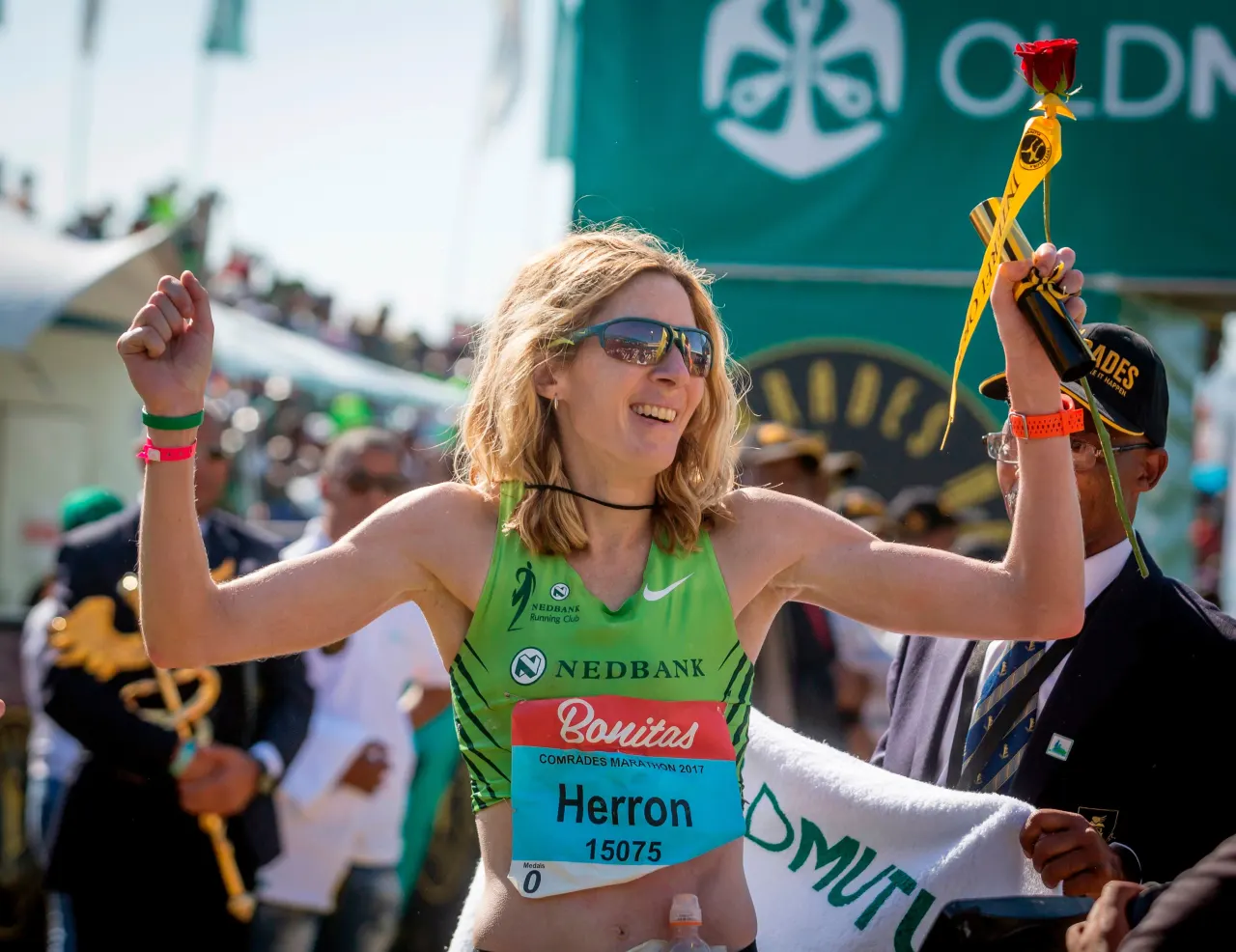
Ultrarunner Camille Herron says she joined OnlyFans to help fund her career after some running sponsorships ended. She told NBC News that the platform offers athletes an underused source of income, and said one month’s earnings exceeded what Nike had paid her for a year.
Herron, inducted into the RRCA Distance Running Hall of Fame in 2024, has set records for distances including 12 hours, 24 hours and six days. After Nike declined to sponsor her in 2016, Hoka and Lululemon signed her; some sponsorships later disappeared after rivals’ Wikipedia pages were edited to downplay their achievements. Her husband and coach, Conor Holt, said he made the edits and Herron was not involved. The article also cites a finding that 57 per cent of US Olympic and Paralympic athletes earn $50,000 or less a year, and a 2020 study reporting that the IOC directs under 1 per cent of its funds to athletes.
In short
- Camille Herron says OnlyFans now helps fund her ultrarunning career.
- She says one month’s earnings beat a year of Nike sponsorship pay.
- Some sponsors withdrew after rivals’ Wikipedia pages were edited.
Steelman: both sides, in good faith
The strongest fair case each way — we don't pick a winner.
The case for
OnlyFans can give athletes a direct way to earn money when sponsorships and institutional support do not cover the costs of competing. Herron’s reported earnings suggest the platform may offer financial independence and let athletes build a livelihood around their public profile, provided they choose the content and terms themselves.
The case against
The platform’s higher pay does not resolve concerns about whether athletes face pressure to trade on their image or share personal content to sustain a sporting career. Critics may also argue that relying on individual creator income leaves broader questions about fair athlete funding and the responsibilities of sponsors and sports organisations unanswered.
Explained simply
Ultrarunning involves races lasting many hours or even several days, and athletes often rely on sponsorships to help cover the costs of training and competition. Camille Herron is an American ultrarunner who has set records over several long-distance events.
Sponsors such as Nike, Hoka and Lululemon pay athletes to represent their brands. Herron’s career also drew attention after edits to other runners’ Wikipedia pages played down their achievements; her husband and coach, Conor Holt, said he made the edits and that she was not involved.
Athletes’ incomes can vary widely, and many receive limited support from sports organisations. Some turn to other ways of earning money to fund their training and competition, including subscription platforms such as OnlyFans.