Science news and discussion on TalkFuse.
UN climate talks break down over bitter disagreements on fossil fuels
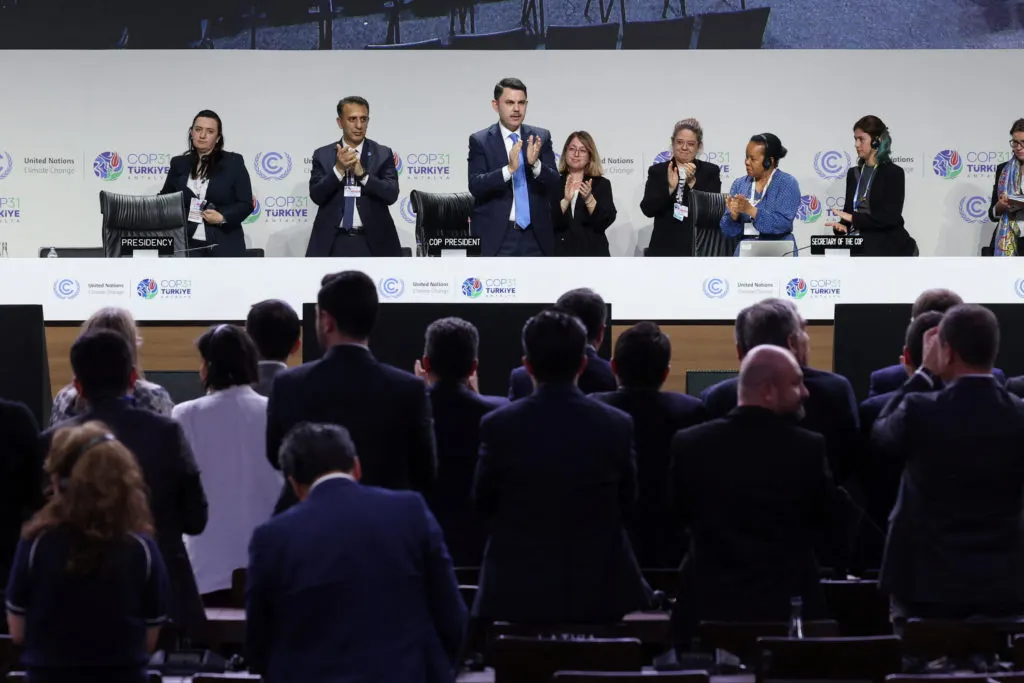
UN climate talks in Antalya ended without an overarching agreement after countries failed to resolve disagreements over whether the final text should explicitly mention fossil fuels. The breakdown matters as global warming intensifies and the world approaches the threshold set by the 2015 Paris climate agreement.
The two-week COP31 negotiations ran nearly 48 hours overtime, and the proposed deal from Turkish and Australian leaders omitted a direct reference to fossil fuels. Several countries and the European Union rejected it, while Russia and Saudi Arabia had pushed to keep fossil fuels out; disagreements also centred on climate finance and carbon capture language. Some smaller issues advanced, but other decisions, including support for poorer countries and plans to move away from fossil fuels, were deferred to next year’s talks in Ethiopia.
In short
- COP31 ended without an overarching agreement.
- Countries disagreed over naming fossil fuels in the final text.
- Finance and other unresolved issues move to next year’s talks.
Steelman: both sides, in good faith
The strongest fair case each way — we don't pick a winner.
The case for
Supporters of an explicit fossil-fuel reference argue that the climate agreement should name the main source of warming and set a clear direction for governments and investors. Without that signal, they say, the final text risks weakening commitments made in earlier climate talks and delaying action as warming approaches the Paris threshold.
The case against
Those resisting explicit wording can argue that a global agreement must accommodate countries with different economies, energy needs and responsibilities, and that language seen as prescribing a particular transition could prevent consensus. They may also favour focusing on broader climate measures, including finance and carbon capture, which they see as more workable across national circumstances.
Climate Geopolitics Politics Science