Politics news and discussion on TalkFuse.
UN peacekeepers say came under fire in southern Lebanon
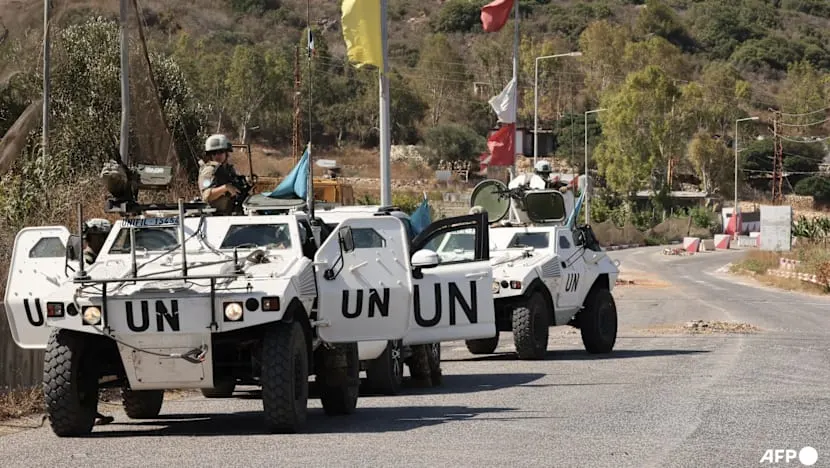
UNIFIL said one of its patrols came under fire in southern Lebanon, returned fire and saw the shooting stop. No one was reported injured, and the force called for an investigation while stressing that all parties must protect UN personnel and property.
The incident took place near Wadi Jilu, where the patrol was fired on with about a dozen rounds; UNIFIL did not identify who was responsible. Its mandate is due to end on 31 December 2026, and G7 foreign ministers said Lebanon must avoid a security gap after its withdrawal, although they agreed no replacement plan.
In short
- UNIFIL patrol in southern Lebanon was fired on with about a dozen rounds.
- The peacekeepers returned fire; no casualties were reported.
- G7 ministers warned against a security void when UNIFIL withdraws.
Steelman: both sides, in good faith
The strongest fair case each way — we don't pick a winner.
The case for
Those supporting the patrol’s response can argue that peacekeepers must be able to protect themselves and their colleagues when fired upon, and that returning fire may help stop an immediate threat. They may also stress that attacks on UN personnel risk undermining the force’s ability to monitor the area and carry out its mandate.
The case against
Those urging restraint can argue that returning fire in a tense, uncertain situation may escalate violence or put nearby civilians at risk, particularly when the shooter’s identity is unknown. They may favour prioritising cover, disengagement and an impartial investigation, while recognising that peacekeepers still need effective protection.
Explained simply
UNIFIL is the United Nations Interim Force in Lebanon, a peacekeeping mission deployed in southern Lebanon. It monitors the area near the border with Israel and works to support calm between Israel and the armed group Hezbollah.
The mission operates under a United Nations mandate, and its personnel and property are meant to be protected by all parties. Its current mandate is due to end on 31 December 2026, so governments are discussing how to avoid a gap in security arrangements after it leaves.