Politics news and discussion on TalkFuse.
UN warns against misuse of security laws as UK weighs Palestine Action ban
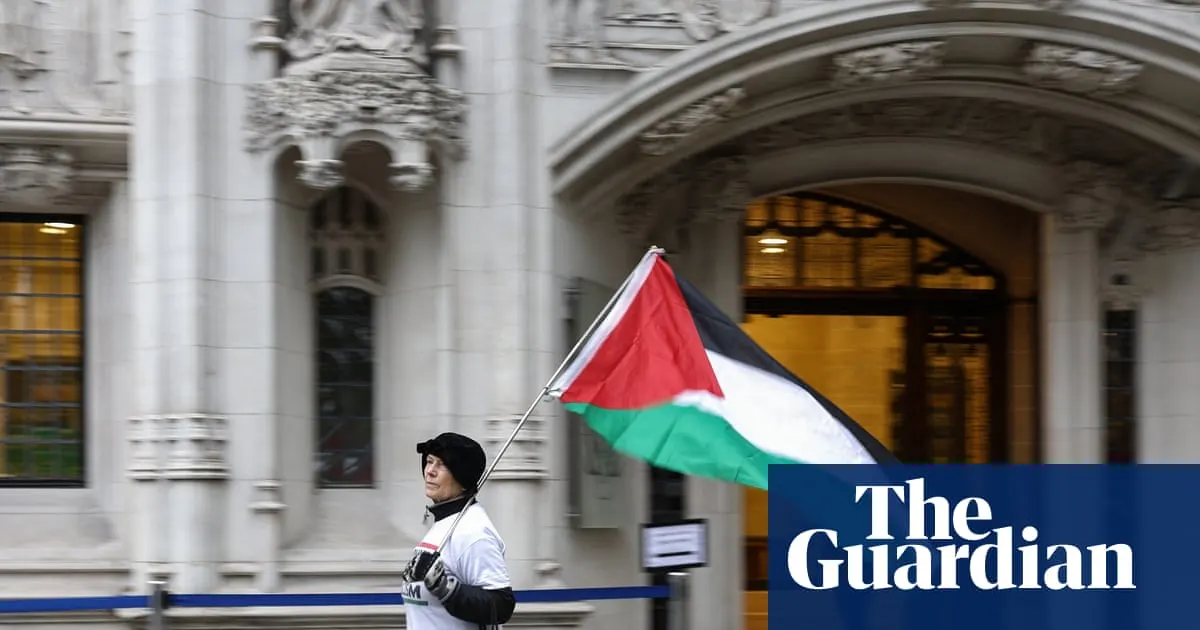
The UN Human Rights Committee has cautioned governments against using counter-terrorism and national security laws to suppress associations and political dissent. Its new guidance comes as the UK Supreme Court considers whether the ban on Palestine Action was lawful, raising questions about the balance between security powers and freedoms of association, speech and protest.
The committee says laws aimed at “extremism” or “undesirable” groups can be vague and that terrorism powers have been misused against activists, human rights defenders, journalists and trade unionists. Palestine Action was the first direct action group proscribed under the UK Terrorism Act, placing it alongside groups including al-Qaida and Boko Haram. The court heard a challenge earlier this month; its decision is awaited, and the group’s co-founder says it may appeal to the European Court of Human Rights if the ban stands.
In short
- UN warns against vague security laws being used to silence groups.
- UK Supreme Court is weighing the Palestine Action ban.
- The group’s co-founder says it may take the case to Europe.
Steelman: both sides, in good faith
The strongest fair case each way — we don't pick a winner.
The case for
Supporters of the ban argue that the state must be able to restrict organisations where their activities pose a serious threat to public safety or involve serious criminal damage, and that proscription can help prevent harm. They may say the courts should assess whether the evidence and legal safeguards justify this exceptional measure, rather than treating political aims as immunity from security law.
The case against
Opponents argue that applying terrorism powers to a direct action group risks equating disruptive protest with terrorism and can chill lawful political speech, association and dissent. They contend that broad or vague security laws may be misused against activists and that any restriction must be necessary, proportionate and supported by strong evidence.
Explained simply
In the UK, the government can proscribe an organisation under the Terrorism Act if it considers the group to be involved in terrorism. Membership of, or support for, a proscribed organisation can become a criminal offence, giving the ban consequences beyond restricting the group’s activities.
Palestine Action is a direct action group that targets organisations it says are connected to Israel’s arms industry. Its proscription has raised questions about how terrorism laws apply to protest groups and what protections people have to organise, speak and demonstrate.
The UN Human Rights Committee monitors how countries meet their obligations under the International Covenant on Civil and Political Rights, which protects freedoms including association and expression. Its guidance is relevant to debates over how governments balance those rights with national security.