UN warns vulnerable children ‘falling through cracks’ in UK climate aid
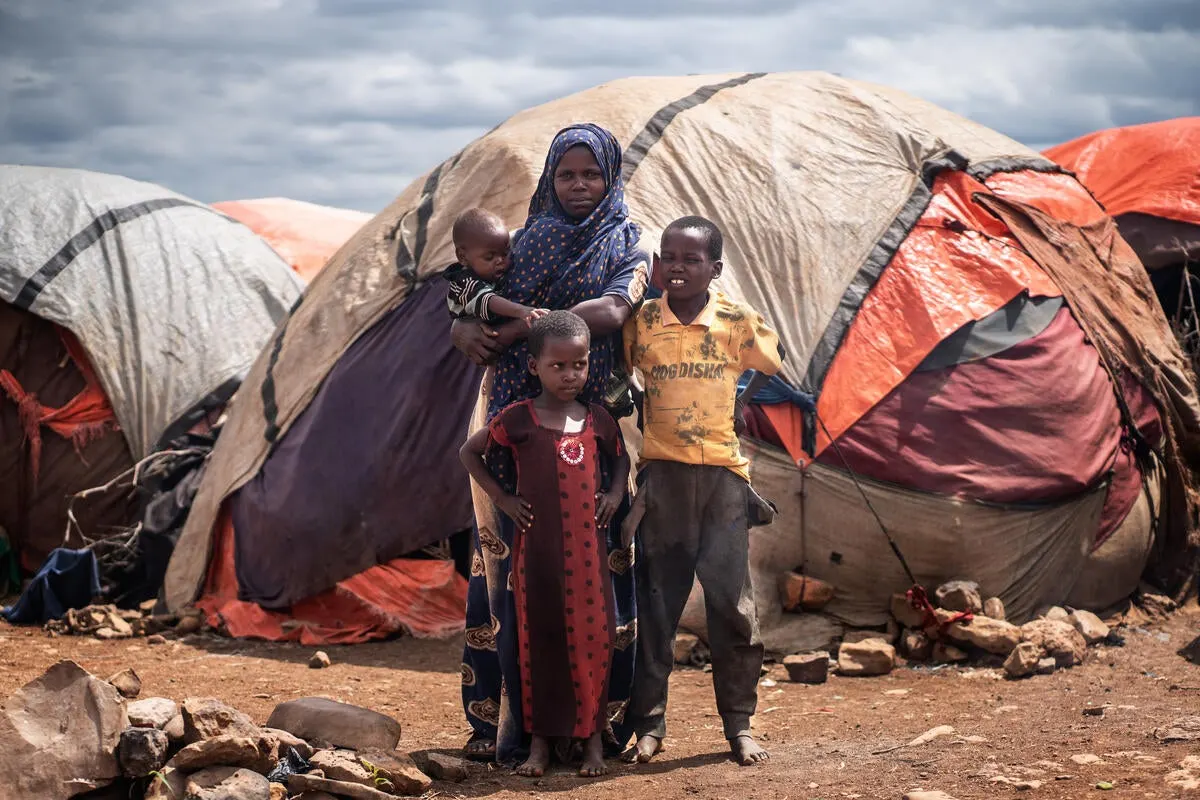
UNICEF has warned that children in some of the world's most climate-vulnerable countries are being overlooked as the UK cuts its aid budget, with the risks they face not properly reflected in Foreign Office priorities. A new UNICEF analysis, shared exclusively with The Independent, cross-references UK aid reductions with data from its Global Child Hazard Database, which tracks how the 1.1 billion children worldwide are exposed to threats such as droughts, extreme heat, cyclones and floods. UNICEF says children are "falling through the cracks" because, unlike fragile and conflict-affected states or women and girls, they are not formally treated as a distinct priority in UK development policy, even though climate shocks compound other crises such as malnutrition and disease.
The analysis found that Mozambique, Sierra Leone, Bangladesh, Nigeria and Pakistan face UK aid cuts of 49 per cent or more over the next three years, despite over 59 per cent of children in these countries being exposed to three or more climate hazards. Among 28 countries facing cuts of 30 per cent or above, 23 will see over half their child population exposed to drought and 12 to extreme heat. Nigeria, facing a 50 per cent cut, has nearly 89 million children exposed to multiple hazards, with over 100 million exposed to extreme heat and 111.6 million to drought. Concerns are heightened by an ongoing "super" El Niño event expected to bring severe rainfall to East Africa and intense drought to southern Africa over the next 18 months, as UNICEF prepares to launch a campaign in September urging the Foreign Office to prioritise children in its aid strategy.
- UNICEF says UK aid cuts overlook children facing severe climate risks
- Nigeria, Mozambique, Pakistan among countries hit by cuts and hazards
- UNICEF to launch campaign urging UK to prioritise children in aid policy
New here? Start with this
Climate change can bring drought, extreme heat, floods and cyclones, and children are especially vulnerable when these hazards disrupt food, clean water and healthcare. UNICEF’s Global Child Hazard Database tracks how many children are exposed to these risks around the world.
The UK provides development aid to countries facing climate hazards as well as other challenges, including conflict and disease. The Foreign Office sets priorities for how that aid is directed, while UNICEF works to protect children and assess their needs.
The issue matters because climate shocks can deepen existing problems such as malnutrition and illness. Aid decisions can affect what support is available to communities as they prepare for and respond to those shocks.