Technology news and discussion on TalkFuse.
Undone by a honey trap? Nvidia’s Jensen Huang at heart of China spy scandal
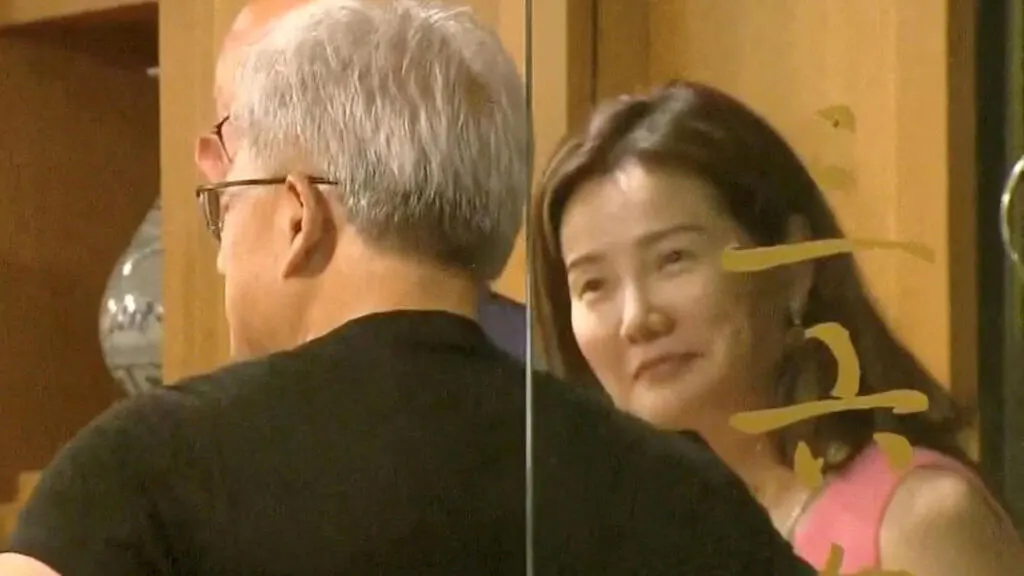
A New York Times report says US Secretary of State Marco Rubio warned President Donald Trump about security concerns involving Nvidia chief executive Jensen Huang. Despite the warning, Trump invited Huang aboard Air Force One to attend a Beijing summit in May, putting questions about political judgement and technology-sector security in the spotlight.
The report comes ahead of Trump’s planned China trip next week, as scrutiny grows over Nvidia’s relationship with the White House. The article raises questions about whether the alleged liaison could lead to closer oversight of technology companies, politicians and corporate boards, and affect US-China relations and competition in artificial intelligence.
In short
- Rubio reportedly raised security concerns about Jensen Huang.
- Trump invited Huang to a Beijing summit despite the warning.
- The report raises questions about oversight and the AI race.
Steelman: both sides, in good faith
The strongest fair case each way — we don't pick a winner.
The case for
If Rubio’s warning was based on credible intelligence, the alleged relationship could create risks of pressure, access to sensitive information or conflicts of interest around a company central to US AI competition. On this view, inviting Huang on a presidential trip despite those concerns raises legitimate questions about judgement and whether stronger safeguards or oversight are needed to protect national security.
The case against
The report describes concerns and an alleged liaison, not proof that Huang or Nvidia acted improperly or that sensitive information was compromised. Treating an unverified allegation as grounds for expanded oversight could unfairly damage reputations and politicise corporate relations; engagement with a major technology leader may also serve US economic and diplomatic interests.
Explained simply
Nvidia is a US company that designs powerful chips used to develop artificial intelligence. Its chief executive, Jensen Huang, leads a business with major commercial ties to China, where access to advanced chips is a point of tension between Washington and Beijing.
Marco Rubio is the US secretary of state, and Donald Trump is president. The reported warning about Huang raises broader questions about how officials assess security risks involving business leaders, and how closely the government should scrutinise technology firms and their links abroad.
Those questions matter because the US and China are competing for influence in artificial intelligence and negotiating over trade and technology. Decisions about chip access and security can affect companies, political ties and the pace of AI development.