Culture news and discussion on TalkFuse.
Unearthed interview exposes Dem senator’s past support for reparations: ‘There is a debt unpaid’
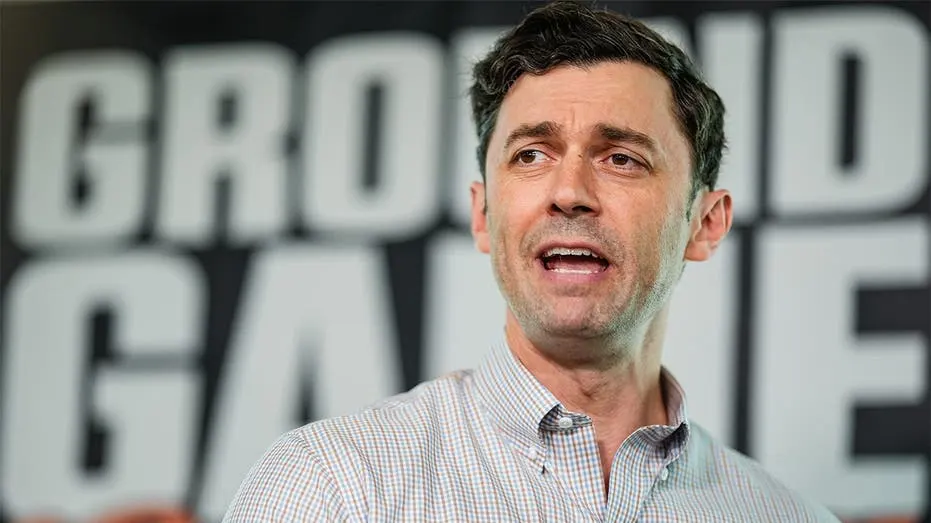
A 2019 radio interview has resurfaced in which Senator Jon Ossoff said he supported federal reparations legislation for Black Americans, arguing that slavery and subsequent discrimination had created an unpaid debt. The comments have drawn renewed attention because they contrast with the political sensitivity of reparations in US elections and may become an issue in his Senate campaign.
Ossoff, a Georgia Democrat, made the remarks shortly after announcing his first Senate bid, saying the government should address the lasting social harms of slavery and other injustices. The article places his past position alongside current disputes over local reparations programmes, including legal criticism that race-based policies may face constitutional challenges.
In short
- Ossoff backed reparations legislation in a 2019 interview.
- He said slavery and discrimination created an unpaid debt.
- The remarks may feature in Senate campaign politics.
Steelman: both sides, in good faith
The strongest fair case each way — we don't pick a winner.
The case for
Supporters of reparations argue that slavery and subsequent systemic discrimination inflicted profound, measurable harm on Black Americans, creating persistent wealth gaps and social disadvantages that remain documented today. They contend the federal government, having benefited from and perpetuated these injustices, bears a moral obligation to make restitution, pointing to historical precedents like Japanese American reparations and arguing that targeted compensation is necessary where race-neutral policies have demonstrably failed.
The case against
Critics acknowledge historical injustices but contend that federal reparations face significant practical and legal obstacles. They argue that determining eligibility, calculating appropriate compensation, and designing effective programmes is enormously complex, with race-based policies potentially vulnerable to constitutional challenges under equal protection doctrine. From their perspective, targeted investments in education, economic development, and employment in disadvantaged communities might more effectively address inequality whilst avoiding the legal and political complications of race-conscious compensation schemes.
Explained simply
Reparations are measures intended to address lasting harm caused by slavery and later discrimination against Black Americans. In the United States, proposals include payments, public investment or other forms of support, and there is no single agreed approach.
Federal reparations legislation would be considered by Congress, while some programmes are proposed or run by local governments. Such policies are politically contested and may face legal challenges, including arguments about whether race-based measures comply with the Constitution.
Jon Ossoff is a Democratic senator from Georgia, a state with a closely watched role in national elections. His earlier comments on federal legislation connect the wider debate to his political record and to the pressures candidates face when discussing reparations.
Art Culture Geopolitics Politics World