Culture news and discussion on TalkFuse.
Unearthed interview reveals El-Sayed’s Sharia ‘obligation’: ‘Not because of fear’
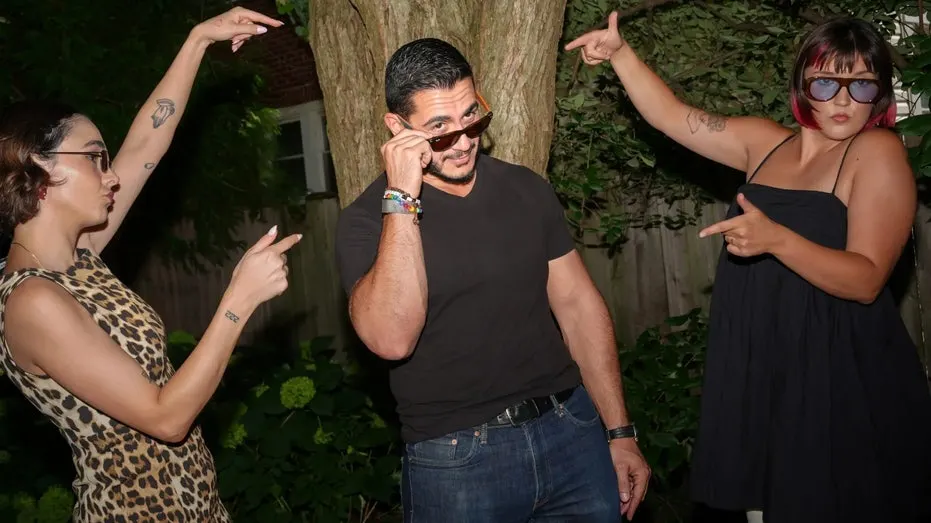
Fox News reports that Michigan Democratic Senate nominee Abdul El-Sayed said in a past interview that he felt religiously obliged to follow Sharia-compliant practices, framing this as a personal commitment rather than one driven by fear. The article presents the remarks as politically significant because El-Sayed is running in a competitive Senate race and faces scrutiny over his views and associations.
The supplied excerpt does not include the full interview, its date, or the precise practices El-Sayed discussed. It also notes that El-Sayed recently criticised “cancel culture” when questioned about his association with streamer Hasan Piker, while disavowing Piker’s remarks about 11 September.
In short
- El-Sayed described Sharia-compliant practices as a personal religious obligation.
- Fox News frames the remarks as relevant to Michigan’s Senate race.
- The excerpt lacks full interview context and detail.
Steelman: both sides, in good faith
The strongest fair case each way — we don't pick a winner.
The case for
Supporters of scrutinising this statement argue voters deserve transparency about what deeply motivates their candidates, particularly regarding religious convictions that could shape governance. A candidate's explicit statement that he feels religiously obliged to follow certain practices is factually relevant information central to understanding his decision-making framework. This represents legitimate political discourse, not denial of his right to religious practice.
The case against
Critics contend this represents discriminatory scrutiny of a Muslim candidate's religious commitments in a way that would not apply to Christian or Jewish candidates with similar faith-based convictions. The story's 'unearthed' framing and lack of context about dates and specific practices suggests bad-faith journalism designed to inflame rather than inform voters about substantive policy. A candidate's sincere personal religious observance should not become a political liability through selective highlighting.
Explained simply
Abdul El-Sayed is a Michigan politician and the Democratic nominee for the US Senate. Sharia refers to Islamic religious principles that Muslims interpret and practise in different ways; saying a practice is Sharia-compliant does not, by itself, specify what that practice is.
El-Sayed’s reported remarks describe following such practices as a personal religious obligation, rather than something done out of fear. The excerpt does not identify the interview’s date or the practices he discussed, so it gives limited detail about what he meant. His religious views and public associations are part of the scrutiny he faces as a candidate in a competitive Senate race.
Art Culture Government Politics World