Unifrance’s Rendez-Vous Brings French Sellers & Global Buyers Together Amid Industry Shifts
Developed over time first seen 2 months ago
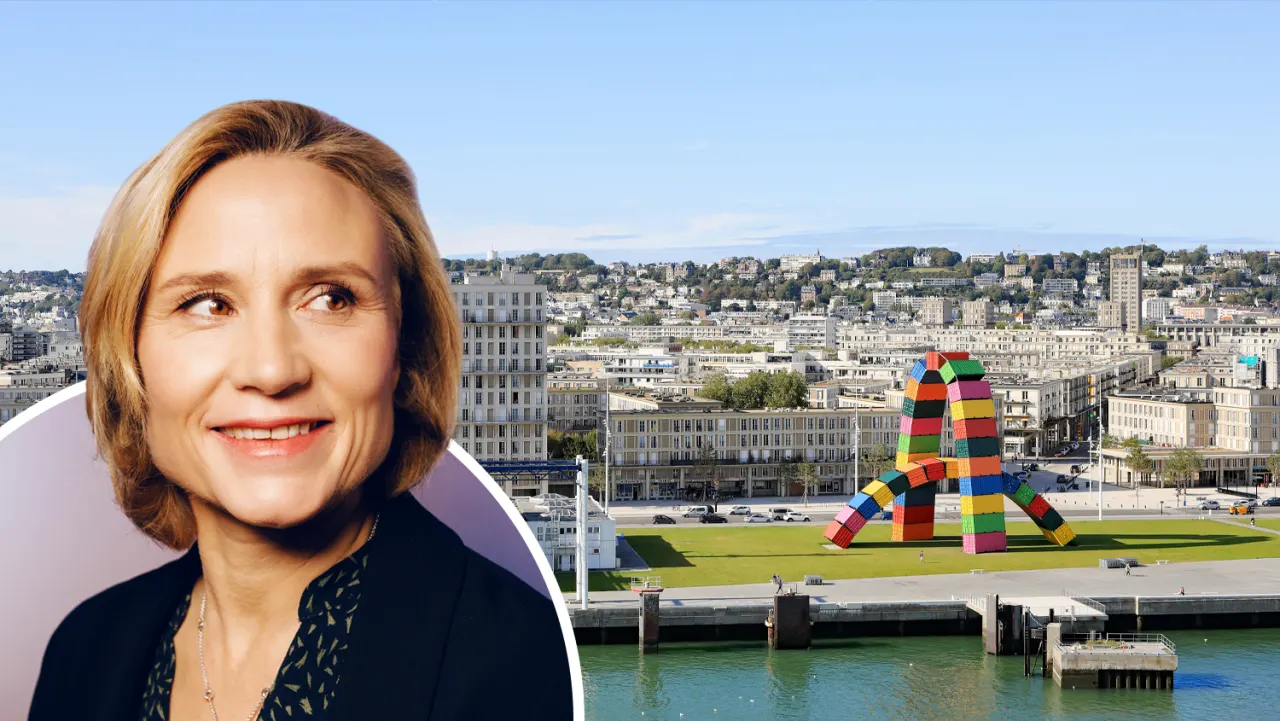
Unifrance's annual Rendez-Vous, the largest market for French-language television, opens next week in Le Havre for the third consecutive year, bringing French distributors together with international buyers. Unlike many industry markets, the event pairs formal screenings and dealmaking with a shared social programme, a format organisers say helps it stand out as broadcasters and streamers face tighter travel and programming budgets and attend fewer events overall.
Around 135 buyers are expected, roughly in line with last year, drawn mainly from Europe but including first-time attendees from Brazil and South Korea, alongside broadcasters such as RAI, RTVE, ZDF, Sky Italia and HBO. The city and Normandy region have become closely involved, hosting an opening party at Le Havre's Museum of Modern Art with Mayor Édouard Philippe and a closing event at Montivilliers Abbey with regional president Hervé Morin. This year France's National Cinema Centre (CNC) will provide additional export data alongside the usual annual figures, which in recent years have highlighted France's strength in "cozy crime" dramas such as Astrid et Raphaëlle and High Intellectual Potential, even as the country's traditionally strong animation sector shows signs of change.
- Sources
- 2
- Outlets
- 1
- Left · Centre · Right
- 0 · 0 · 0
In short
- Unifrance's Rendez-Vous TV market returns to Le Havre for a third year
- About 135 international buyers expected, including new attendees from Brazil, South Korea
- CNC to add fresh export data as travel budgets squeeze market attendance
How this story developed
- 2 months ago Unifrance's annual Rendez-Vous, the largest market for French-language television, opens next week in Le Havre for the third consecutive year, bringing French distributors together with international buyers.
Full account
Unifrance’s annual Rendez-Vous is set to bring French distributors and international acquisition executives to Le Havre, underlining the market’s role as an early showcase for French television ahead of MIPCOM. Now in its third year in the Normandy port city, the event combines a sizeable sales area and dedicated screening facilities with a deliberately social programme of receptions, meals and industry gatherings.
The organisers are presenting this format as a response to a television business in transition. Daniela Elstner, Unifrance’s executive director, has said the aim is not simply to screen programmes and arrange meetings, but to create space for participants to exchange information and encounter new ideas. With travel and programming budgets under strain and buyers attending fewer markets, the event is seeking to make attendance efficient as well as useful.
About 135 buyers are expected, broadly matching the previous year’s attendance. The delegation is expected to be mainly European, including representatives from broadcasters such as RAI, RTVE and ZDF, alongside pay-TV buyers including Sky Italia and HBO executives covering central Europe. First-time attendees from Brazil and South Korea are also expected. Local backing is an important part of the Le Havre edition, with events planned at the Museum of Modern Art and Montivilliers Abbey and support from city and regional authorities.
The programme reflects the breadth of the French sales slate, ranging from documentary and animation to drama, crime and children’s programming. Official screenings include the AI-assisted documentary Beasts of the Colosseum, the period drama Swapped and an adaptation of The Red and the Black. Other titles highlighted by sellers include the crime series Country Spy and Carpe Diem, political or nuclear-themed dramas The Deal and R91, and factual projects addressing Gaza, cosmology and a Channel crossing tragedy.
Where outlets differ
From the full account, which is AI-written from the sources:
The first report concentrates on the market’s strategy, attendance, local support and the pressure on buyers’ budgets; the second is chiefly a guide to the titles and genres being offered.
Both describe Rendez-Vous as unusually intimate for its scale, but the first frames that atmosphere as an organising principle during industry change, while the second uses it mainly to introduce the sales slate.
The supplied excerpts do not identify outlet names or provide URLs, so these cannot be attributed more specifically.
Explained simply
Unifrance promotes French films and television programmes abroad. Its Rendez-Vous is a market where French distributors show programmes and meet international buyers, including broadcasters and streaming services that may acquire them.
The event takes place in Le Havre, with Normandy’s local authorities involved in hosting it. Its screenings and shared social events give attendees time both to consider programmes and to build professional relationships.
Sales abroad help French television reach viewers in other countries and provide information about demand for different kinds of programmes. The CNC, France’s National Cinema Centre, tracks the sector and is adding export data to this year’s figures.
Coverage · 2 sources
Americas Business Entertainment Europe Film Markets TV World