World news and discussion on TalkFuse.
Unions accuse Microsoft of having “unlawfully fired people” in unfair labor practice complaints filed over Xbox layoffs
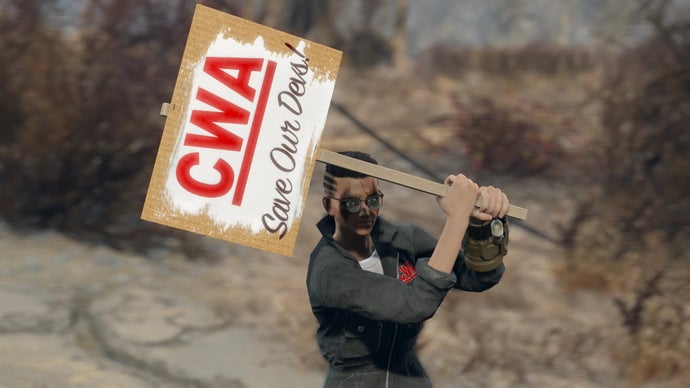
The Communications Workers of America and its Canadian affiliate have filed unfair labour practice complaints with the National Labour Relations Board against Microsoft, alleging the company failed to follow required legal procedures when conducting recent layoffs across Xbox studios. The unions claim Microsoft terminated approximately 1,600 employees without providing proper notice to union representatives, engaged in bad faith bargaining whilst collective agreement negotiations were ongoing, and unilaterally modified employment terms—actions the unions contend violate labour law obligations to bargain in good faith.
Microsoft responded by emphasising its respect for employees' rights to organise and stated it has initiated effects bargaining discussions with the union regarding the layoffs. The company highlighted its commitment to supporting affected workers during the transition and positioning the organisation for long-term stability. The Communications Workers of America subsequently organised rallies at offices of impacted studios including Bethesda Game Studios, ZeniMax Online, and Id Software to demonstrate solidarity with the dismissed workers.
In short
- CWA unions filed NLRB complaints alleging Microsoft unlawfully laid off 1,600 Xbox workers without required union notice during ongoing collective bargaining
- Microsoft accused of bad faith bargaining, unilaterally modifying employment contracts, and withholding information from union representatives
- Microsoft responded citing commitment to effects bargaining and worker support; unions held solidarity rallies at affected studios
Steelman: both sides, in good faith
The strongest fair case each way — we don't pick a winner.
The case for
Labor law requires companies to bargain in good faith and provide adequate notice to unions before implementing major employment decisions. When Microsoft terminated 1,600 workers whilst collective agreement negotiations were actively ongoing, without properly notifying union representatives or negotiating the effects, it violated these core protections. These statutory obligations exist precisely to ensure workers have a genuine voice in decisions affecting their livelihoods and that unions can adequately represent their members' interests.
The case against
Microsoft respects employees' right to organise and has initiated effects bargaining with the union regarding the layoffs, demonstrating good faith engagement. Business restructuring decisions remain management's prerogative, and the company's role is to collaborate with unions on implementation, not to obtain union permission for commercial decisions. The company is actively supporting affected workers during transition, and engaging unions on the effects of employment decisions fulfils the substantive requirements of labor law.
Explained simply
When companies lay off workers represented by a union, there are legal rules about how they must do so. In the United States, employers must notify union representatives, keep them informed about changes, and genuinely discuss how the layoffs will affect workers. These rules aim to protect workers' interests and ensure unions have a voice in major decisions affecting their members.
Microsoft recently laid off approximately 1,600 employees across its Xbox gaming division. The Communications Workers of America, which represents some of these workers, filed formal complaints saying Microsoft broke the legal rules by not notifying union representatives, refusing to negotiate fairly, and making changes to worker terms without following proper procedures.
The case highlights broader questions about how large technology firms handle major layoffs and whether they comply with worker protection laws. Microsoft has stated it respects workers' right to unionise and has started discussions with the union about the layoffs' effects. The National Labour Relations Board, the government agency overseeing labour law in the United States, will investigate the complaints.
Americas Business Companies Entertainment Gaming