Unions at war over North Sea oil as luvvy actors, teachers and firefighters demand Burnham blocks new drilling to save the planet
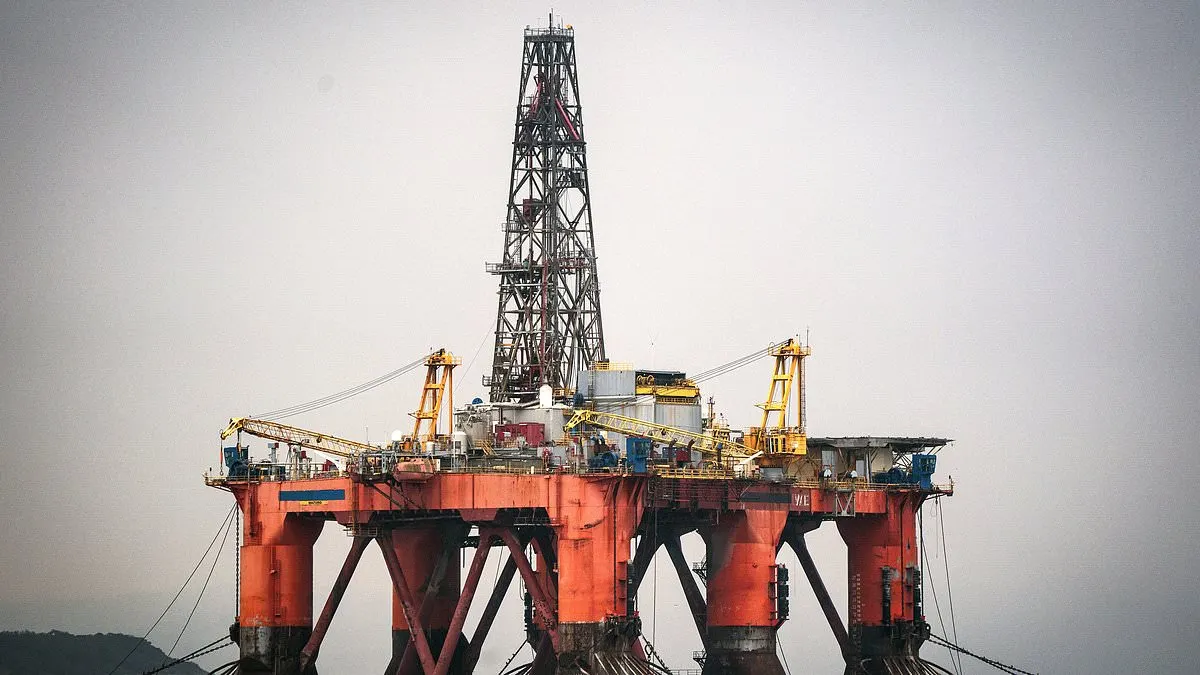
Ten unions, including Equity, the Fire Brigades Union, Unison and the National Education Union, have urged Labour to reject new drilling at the Rosebank oil field, arguing that expanding fossil fuel production would worsen climate change. Their campaign puts them at odds with Unite, which backs the project on the grounds that the UK will need oil and gas for decades and should protect its energy security.
The dispute comes as developers’ report says not developing Rosebank and the Jackdaw gas field could cost the UK economy about £10.8 billion by 2035. Conservative leader Kemi Badenoch has also called for approval, saying new production could help lower energy prices. The Government says oil and gas will remain part of the energy system while it transitions to clean power, and that any decision will consider relevant evidence.
- Ten unions want Rosebank drilling rejected on climate grounds.
- Unite backs the project, citing energy security.
- A report estimates £10.8 billion in potential costs by 2035.
New here? Start with this
Rosebank is a large undeveloped oil field in the North Sea, west of Shetland. New drilling would add to the UK’s supply of oil, which is used for transport, heating and industry, but burning oil also releases greenhouse gases that contribute to climate change.
The argument involves trade-offs over jobs, energy supplies and emissions. Some unions say approving new fields would make climate targets harder to meet, while others argue that oil and gas will still be needed and that UK production could support workers and energy security.
The Government is moving towards cleaner power while the UK continues to use oil and gas. Decisions about new fields matter because they affect how quickly fossil fuel production changes, as well as the country’s future energy supply and economic activity.
Both sides, in good faith
The strongest fair case each way — we don't pick a winner.
The case for
Opponents of new Rosebank drilling argue that approving more fossil fuel production would deepen dependence on oil and gas and make climate targets harder to meet. They see a decision to leave the field undeveloped as a way to support the shift to clean energy and limit long-term climate harm.
The case against
Supporters argue that the UK will continue to need oil and gas during the transition, so domestic production could strengthen energy security and support jobs and economic activity. They also point to estimates of the economic cost of not developing Rosebank and Jackdaw, and say added supply could help put downward pressure on energy prices.