Sport news and discussion on TalkFuse.
Unlicensed casinos could face ban on sponsoring UK sports teams from 2027
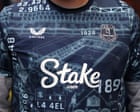
The UK government is proposing to ban unlicensed gambling companies from sponsoring sports teams, potentially from August 2027, in an effort to protect vulnerable people and reduce the risk of money laundering through sport. The move matters because it could disrupt existing sponsorship deals in high-profile sports such as Premier League football and Formula One, and turn arrangements that are currently legal into criminal offences.
Ministers have opened an eight-week consultation on the plans, with a final ban due no later than August 2028. Everton could be among the most affected clubs because of its sleeve sponsorship deal with Stake.com, an unlicensed crypto casino, reportedly worth at least £10m and due to run until 2028-29. Other clubs with unlicensed gambling partners include Chelsea, Ipswich and Fulham, while the proposals could also affect Formula One teams and the World Snooker Tour; however, online partnerships are not included at this stage.
In short
- UK may ban unlicensed gambling sponsorships in sport from 2027
- Everton and other clubs could lose existing sponsorship income
- Government says move targets harm prevention and money laundering
Steelman: both sides, in good faith
The strongest fair case each way — we don't pick a winner.
The case for
Banning unlicensed gambling sponsorships addresses legitimate public protection and financial crime concerns. Unlicensed operators fall outside regulatory oversight designed to safeguard vulnerable consumers, particularly those susceptible to problem gambling, and the high-profile visibility of sports sponsorships normalises and glamorises gambling to mass audiences. Regulators have long-standing concerns about money laundering through sports, and aligning commercial sponsorship with licensing requirements creates a consistent framework that protects both consumers and the integrity of financial systems, similar to established restrictions on tobacco and other high-risk industries.
The case against
Whilst regulatory concerns merit serious consideration, retrospectively banning arrangements that were lawful when contracted undermines contractual certainty and property rights, potentially imposing substantial financial costs on clubs whose business models depend on such revenue. Moreover, the effectiveness of sponsorship bans at reducing harm is questionable, as people determined to gamble will do so regardless of who sponsors their favourite team, and more targeted solutions such as robust regulation of unlicensed operators and restrictions on gambling advertising might achieve public protection goals without disrupting lawful business relationships and the sporting ecosystem.
Explained simply
Unlicensed gambling companies are firms that operate betting and casino services without official permission from the UK regulator. The government wants to prevent these companies from sponsoring sports teams because officials believe it poses risks to vulnerable people and could be used to launder money. Currently, some of these sponsorships are legal, but the proposed ban would make them illegal.
Several major sports clubs and organisations currently have sponsorship deals with unlicensed gambling companies. Everton has a shirt sleeve deal with an unlicensed cryptocurrency casino, whilst other Premier League clubs including Chelsea, Ipswich and Fulham have similar arrangements. Formula One teams and professional snooker also have such partnerships, though online sponsorships would not be covered by the ban.
The government has launched a consultation on the plans, with the ban set to begin no later than August 2028. This gives sports organisations time to wind down existing deals, but it means companies and teams currently benefiting from these partnerships will need to find alternative arrangements or sources of income.