Unsafe at any speed: AI optimists are turning cautious as safety concerns mount
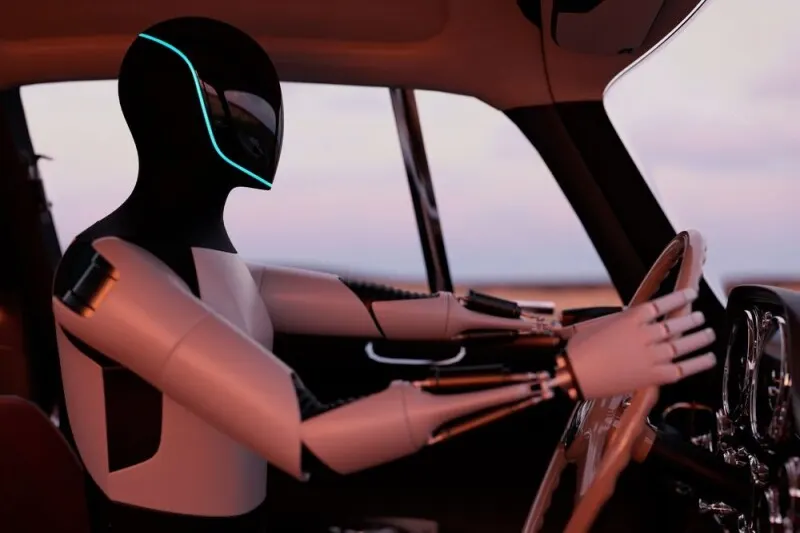
The article argues that several prominent AI advocates are becoming more candid about the technology’s safety risks, despite continuing to promote its potential benefits. It says these concerns matter because increasingly capable AI systems, particularly autonomous agents, could amplify harms including fraud, misinformation, privacy breaches and biological threats.
OpenAI’s Sam Altman said model capabilities were advancing faster than safety and alignment, while Anthropic’s Dario Amodei warned that capable systems could help weaponise pandemic-level viruses. Bill Gates is cited as warning that AI could worsen injustice and produce a negative overall outcome without stronger preparation; the article also questions whether safeguards such as OpenAI’s teen-focused ChatGPT protections and proposed voluntary US safety testing can be relied upon.
- AI leaders increasingly acknowledge that safety measures lag behind capabilities.
- Autonomous AI agents could intensify fraud, privacy and security risks.
- The article doubts current industry and government safeguards are sufficient.
Both sides, in good faith
The strongest fair case each way — we don't pick a winner.
The case for
As AI systems become more capable and autonomous, they may make it easier to scale fraud, misinformation, privacy violations and biological threats. Advocates of stronger safeguards argue that safety research, preparation and credible testing should keep pace with deployment, especially where the consequences could be severe or hard to reverse.
The case against
AI could bring substantial benefits, and its advocates can reasonably argue that developing it while improving safeguards offers a better chance of realising those benefits than slowing progress broadly. They may also contend that risks should be assessed against concrete evidence and managed through targeted protections, while recognising that voluntary commitments and current safety measures may need strengthening.