World news and discussion on TalkFuse.
US Army Made Detonation Dilemma More Dangerous By Replacing Blast Doors With Plywood
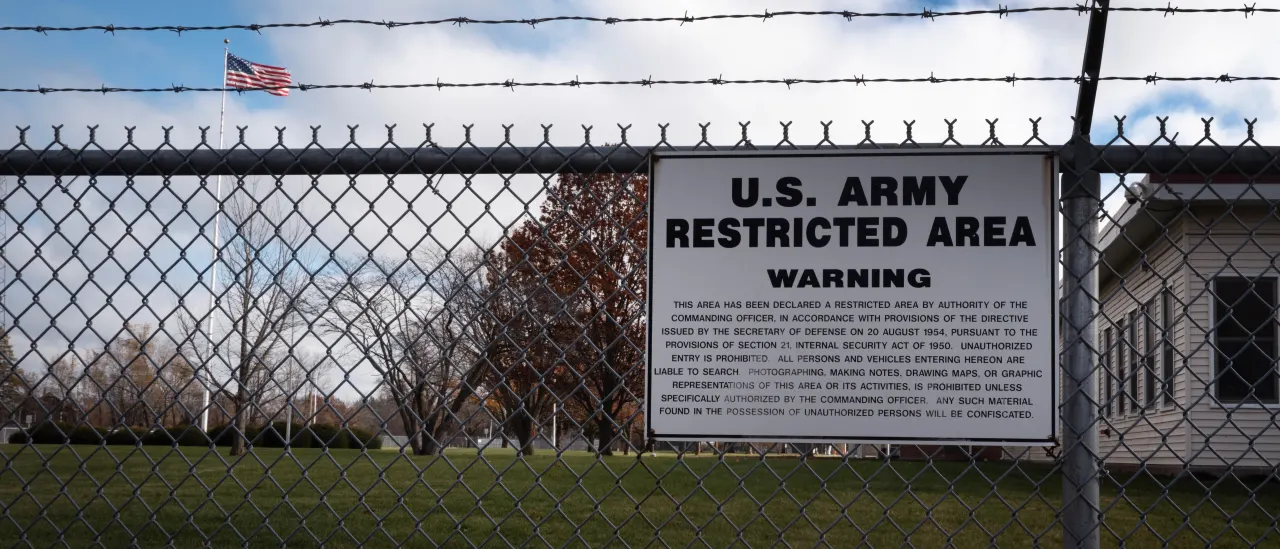
The US Army is preparing two controlled detonations of nearly five tons of degraded lead azide at the Iowa Army Ammunition Plant, citing the risk that the material could explode as winter temperatures fall. Government lawyers say recent temperature swings have increased the danger of an uncontrolled explosion, which could disperse lead azide into the environment.
Court filings say the bunkers’ blast doors were removed in preparation for the detonations and replaced with plywood insulated with foam, leaving the stored material more exposed to temperature changes. An engineer told a local broadcaster that lead azide should remain stable for a long time if stored properly, but can form crystals when storage conditions are not carefully monitored; the Army’s concerns at the site date back about 40 years.
In short
- The Army plans two detonations of nearly five tons of lead azide.
- Lawyers say temperature swings have raised the risk of an accidental explosion.
- Bunker blast doors were replaced with plywood and foam insulation.
Steelman: both sides, in good faith
The strongest fair case each way — we don't pick a winner.
The case for
The Army can argue that controlled detonations are the safest available way to address a large quantity of degraded lead azide if temperature swings have raised the risk of an accidental explosion. Acting before winter conditions worsen could reduce the chance of a sudden blast and environmental contamination, even if the preparations have temporarily altered the bunkers.
The case against
Critics can argue that removing blast doors and replacing them with plywood and foam may have made the material more vulnerable to the temperature changes the Army cites as dangerous. Given the reported concerns dating back decades and the engineer’s emphasis on proper storage, they may question whether the Army adequately managed the hazard and whether its chosen preparations increase risks to workers, nearby communities or the environment.