World news and discussion on TalkFuse.
US army delays planned lead azide blast in Iowa until Monday
Developed over time first seen 16 hours ago
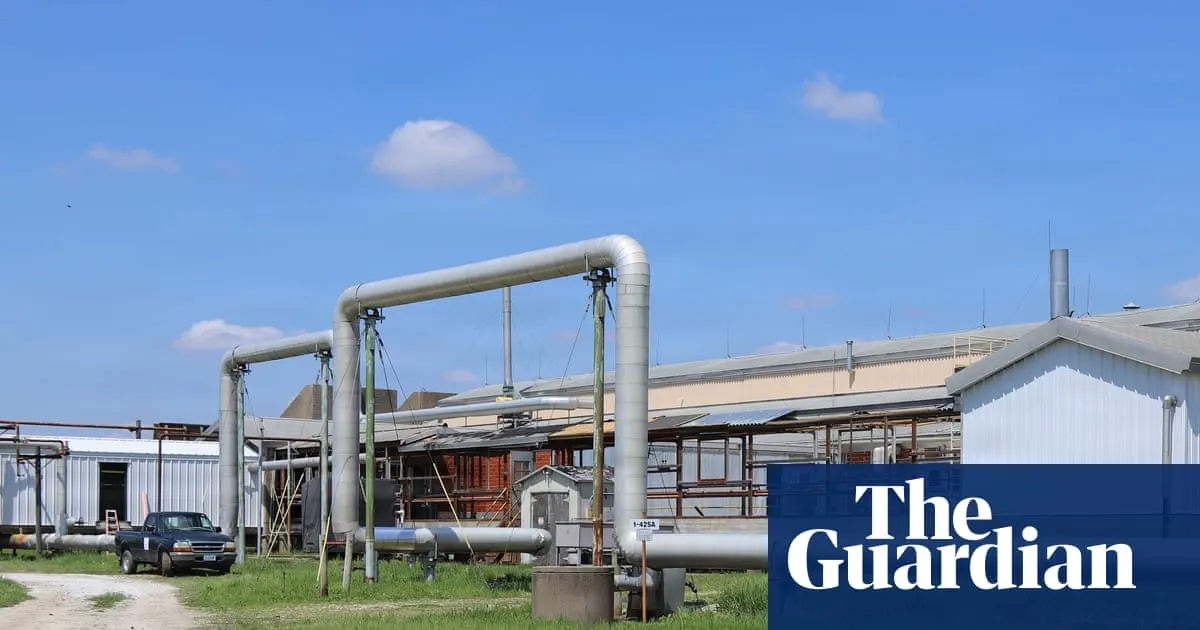
The US army has postponed until Monday a planned detonation of about five tons of lead azide in south-eastern Iowa, after residents and officials raised concerns about lead dust and the way the plan was communicated. The army says the delay will allow it to engage state officials, while still carrying out the blast before colder weather could further destabilise the material.
The degraded, highly sensitive chemicals were found in several dozen barrels at the Iowa Army Ammunition Plant, and the army says moving them would risk accidental detonation. The explosion could send a plume containing lead particles north; nearly 400 people live in Middletown and thousands more are within the potential plume area. The EPA approved an emergency permit, some schools cancelled classes, and environmental groups sought court action to stop the plan.
- Sources
- 4
- Outlets
- 4
- Left · Centre · Right
- 1 · 1 · 2
In short
- Army postpones Iowa lead azide blast until Monday.
- Officials cite the risk of colder weather destabilising the material.
- Residents remain concerned about lead dust and communication.
How this story developed
- 8 hours ago The army’s latest advice says some Middletown residents should leave temporarily because the blast could shatter old windows, and nearby schools have cancelled classes as thousands could be in the path of lead particles.
- 14 hours ago The acting army secretary called Monday the last possible window before colder weather could destabilise the chemical; permit conditions require air and dust monitoring and five days’ notice, while plume maps indicate it could reach communities north of Middletown.
- 14 hours ago The US army delayed a planned five-tonne lead azide blast in Middletown, Iowa, amid worries about lead dust and criticism of its public communication, with the explosion expected on Monday.
- Fox News Army delays controlled detonation of unstable bomb-making chemical in Iowa
- New York Post US Army delays detonation of bomb-making chemicals in Iowa after public safety concerns
- The Guardian US army delays planned lead azide blast in Iowa until Monday
- The Hill Army postpones controlled lead detonation after pleas from Iowa lawmakers
Full account
The US Army has postponed a planned controlled explosion of about five tons of degraded lead azide at the Iowa Army Ammunition Plant in Middletown until Monday, 23 November. Acting Army Secretary Adam Telle said the new date was the latest available before a forecast fall in temperatures, which officials say could make the unstable material more dangerous. The delay followed mounting public concern and calls from Iowa Governor Kim Reynolds to put off the operation; environmental groups also sought court action to stop it.
The material is held in 68 drums and was discovered earlier this year after water evaporated from the liquid used to stabilise it. The Army and the US Environmental Protection Agency say it has recrystallised and is now too hazardous to move or handle safely, with friction, shock or colder conditions potentially triggering an accidental explosion. The Army has described a controlled detonation as the safest disposal method. Its preparations include placing the drums in concrete structures and surrounding them with sand-filled barriers.
Before the postponement, some Middletown residents had been advised to leave their homes temporarily because the blasts could damage nearby windows. Officials also warned that the explosion could send lead-containing dust into the air. Army modelling indicated that the plume might travel north across parts of Iowa and into Illinois; the area potentially affected includes communities well beyond Middletown. The Army has advised cleaning outdoor surfaces after the event, while local schools and businesses had prepared to close and some communities planned extra cleaning. The delay came after some of those closures had already been arranged.
The episode has also raised questions about how and when residents and elected officials were informed. The Army held a public meeting in Middletown in October, but a wider advisory issued days before the originally planned blast alerted other communities to possible effects. Iowa officials said the governor’s office was first briefed about that advisory on Monday; Reynolds later spoke with Telle and asked for a delay. Telle said public communication was essential to trust and that the Army would continue coordinating with state and local officials before the rescheduled operation.
Where outlets differ
From the full account, which is AI-written from the sources:
The reports give different emphasis to the reason for the delay. One focuses on the approaching temperature drop, another also foregrounds lawsuits and Reynolds’s request, while the third describes the wider public outcry and legal challenge.
The accounts vary in how they describe the affected area: one refers to thousands in the plume’s path and updated maps, another cites an Army model reaching Wapello about 25 miles north and parts of Illinois, and the third notes that some communities notified by the advisory were as far as 100 miles away. These are different measures of potential reach, rather than necessarily conflicting estimates.
The reports offer different details about local preparations. One notes schools in the plume’s path had cancelled classes; another describes Middletown’s temporary evacuation advice; the third names school, library and playground-cleaning plans in nearby communities.
Left-leaning outlets 1
Only here: planned, azide, blast, monday
Centre outlets 1
Only here: postpones, pleas, lawmakers
Right-leaning outlets 2
- Army delays controlled detonation of unstable bomb-making chemical in IowaFox News
- US Army delays detonation of bomb-making chemicals in Iowa after public safety concernsNew York Post
Only here: bomb, making, unstable, chemical, chemicals
Every side used: army, iowa
Headline columns compared word for word; nothing in them is AI-written.
Steelman: both sides, in good faith
The strongest fair case each way — we don't pick a winner.
The case for
The army’s case is that lead azide is highly sensitive, and detonation may be the safest available way to dispose of a large quantity before colder weather makes it less stable. An emergency permit requires air and dust monitoring, while postponing too long could increase the risk of handling or storing it.
The case against
Residents and local officials can reasonably argue that a hazardous disposal plan should not proceed until its health risks and likely plume are clearly explained and affected communities have had meaningful notice. The possibility of lead dust spreading beyond Middletown, alongside school closures and advice to evacuate and clean surfaces, makes uncertainty about exposure and public communication a serious concern.
Explained simply
Lead azide is a highly sensitive compound used to help trigger explosions in ammunition. When it is no longer needed, it must be handled carefully because it can detonate if disturbed; the US Army says a controlled blast is the safest way to dispose of the material at its ammunition plant in Middletown, Iowa.
The plant is near Middletown, a small community, and other towns lie in the possible path of dust from the blast. Army officials, the US Environmental Protection Agency and local authorities are involved in planning the disposal and assessing its potential effects. Residents and local officials have raised questions about health risks and how clearly the plan has been explained.
Coverage · 4 sources
Bias meters
From 4 rated sources.
- The GuardianLeftUS army delays planned lead azide blast in Iowa until Monday
- Fox NewsRightArmy delays controlled detonation of unstable bomb-making chemical in Iowa
- New York PostRightUS Army delays detonation of bomb-making chemicals in Iowa after public safety concerns
- The HillCentreArmy postpones controlled lead detonation after pleas from Iowa lawmakers
Read the full article at the source →
Originally published by The Guardian as “US army postpones plan to detonate bomb-making chemical amid outcry”.