Guinea-Bissau rejects trial withholding hepatitis B vaccine from newborns
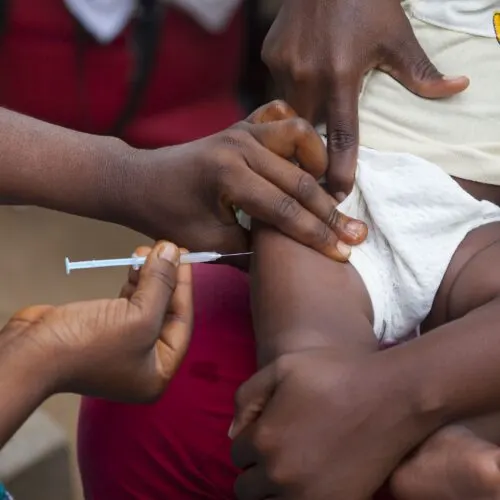
Guinea-Bissau’s Council of Ministers has formally rejected a US-funded trial that would have withheld the hepatitis B vaccine birth dose from half of participating newborns. The decision matters because the vaccine is recommended worldwide and experts say the proposed study could expose babies to preventable, lifelong infection.
The trial was to be run by Danish researchers and backed by a $1.6 million US grant. Researchers say Guinea-Bissau does not routinely vaccinate newborns against hepatitis B and plans to introduce a birth dose in 2028, but the WHO and other experts argue research must provide the best proven care regardless of local resources. Police seized vaccine doses after the government’s rejection; the researchers said they respected the decision while disputing criticism of the study.
In short
- Guinea-Bissau formally rejected the newborn vaccine trial.
- The study would have withheld hepatitis B vaccine from half the babies.
- The WHO and other experts challenged its ethical and scientific basis.
Read the full article at the source →
Originally published by Ars Technica as “US-backed vaccine trial on babies canceled after international outcry”.