World news and discussion on TalkFuse.
US bases, ICE facilities targeted in Cuba-linked 24-hour activist mobilization plan
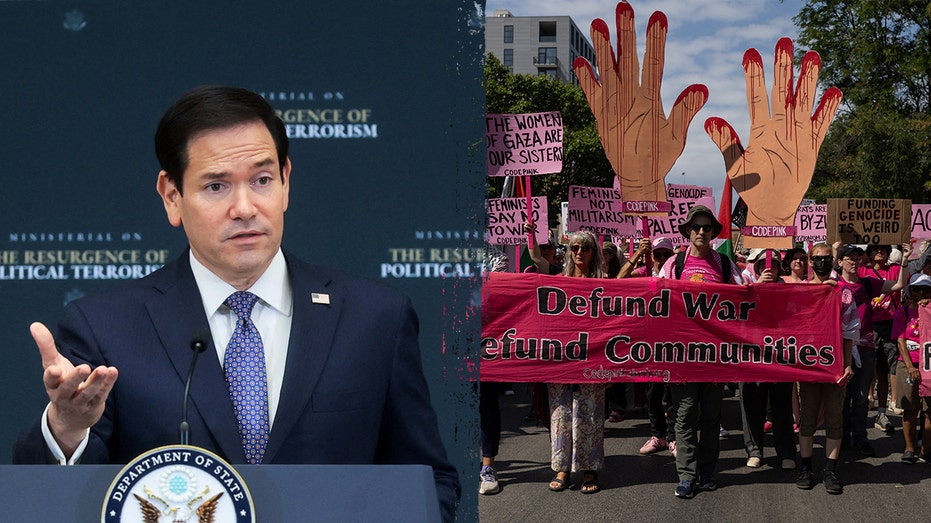
A new US State Department report alleges that Cuba has built a network of American activist groups capable of being rapidly mobilised against US government policy, including a reported 24-hour plan to organise protests targeting military bases and Immigration and Customs Enforcement (ICE) facilities. The report names a Cuban Embassy official as coordinating legislative lobbying efforts with US nonprofit organisations, and federal officials are now examining whether these groups form part of a wider foreign influence campaign directed by Havana. The findings feed into broader tensions between Washington and Havana and add to concerns about foreign involvement in domestic US activism.
The report identifies David Ramírez Álvarez, second secretary at Cuba's embassy in Washington, DC, as having outlined legislation the Cuban government wants US nonprofits and activists to support. It describes a rapid-response coalition able to mobilise demonstrators within 24 hours, with US bases and ICE facilities cited as potential targets. The State Department has also separately warned Americans travelling overseas to keep a low profile amid heightened security concerns, though the central focus of this report is the alleged domestic coordination between Cuban officials and US activist networks.
In short
- State Department report alleges Cuba-linked activist mobilisation network in the US.
- Coalition reportedly able to organise protests within 24 hours.
- Cuban Embassy official named as coordinating lobbying with US nonprofits.
Steelman: both sides, in good faith
The strongest fair case each way — we don't pick a winner.
The case for
When a foreign government's embassy official is systematically identifying and working with American activist groups to advance the regime's policy objectives—including orchestrating coordinated mobilisations—this represents a genuine foreign interference campaign regardless of whether the underlying causes enjoy domestic support. Such coordination threatens the independence of the American nonprofit sector and the integrity of domestic political debate, as activists become extensions of foreign governments rather than autonomous voices responding to their own values. The allegation that Cuba has built networks specifically capable of rapid mobilisation on the regime's behalf suggests a deliberate strategy to weaponise American activism against US interests.
The case against
This framing conflates ordinary international engagement with pernicious foreign influence. Millions of Americans independently oppose certain military and immigration policies; ascribing these movements to Cuban coordination misrepresents organic American dissent as foreign manipulation. Activists routinely communicate with foreign governments, share information, and discover alignment on international issues—this is standard international advocacy practice, not evidence of improper direction or control. Describing normal coordination with a foreign government as 'weaponised networks' and a foreign influence campaign potentially criminalises legitimate activism and chills free speech, especially among groups working on Cuba-related issues.
Explained simply
A new report from the US State Department has alleged that Cuba's government has established relationships with American activist organisations for the purpose of coordinating political advocacy. According to the report, Cuban officials have worked with US nonprofits to mobilise demonstrators and push for legislation favourable to Havana. Federal authorities are now investigating whether these arrangements constitute an organised foreign influence campaign.
According to the State Department, coordination between Cuban officials and American activists has been handled by David Ramírez Álvarez, second secretary at Cuba's embassy in Washington. The report describes a network capable of rapidly organising protests targeting military bases and immigration detention facilities. It remains unclear how many activist organisations are involved, or how much these groups knew about the alleged Cuban coordination.
The allegation reflects broader concerns about foreign government interference in American domestic politics and activism. The United States and Cuba have had a complicated relationship for decades, with mutual suspicion about each other's intentions. This case highlights ongoing questions about where the line sits between legitimate American political activism and foreign influence operations.