US building twice as much gas-fired capacity as China in AI boom, analysis finds
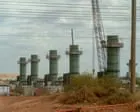
The US has overtaken China in the construction of new gas-fired power plants for the first time in decades, driven by a surge in datacentre building to meet artificial intelligence demand, according to a new analysis by Global Energy Monitor. The shift matters because it undercuts claims by Donald Trump and his administration that China's fossil fuel growth makes US emissions cuts pointless, while also locking in decades of additional planet-heating pollution and dependence on volatile gas prices, which will ultimately be passed on to consumers.
The US is now building twice as much gas-fired capacity as China after a 76% rise in under-construction projects in the first half of the year, with overall capacity in development jumping 50% since January to 378GW. If completed, these projects would expand the US gas fleet by around two-thirds at a cost exceeding $647bn, with roughly half tied directly to new datacentres, potentially raising US power emissions by up to 20%. A turbine shortage has pushed some firms, including Elon Musk's xAI, towards smaller, more polluting equipment, while growing public opposition, cited by three-quarters of Americans in one poll, has prompted restrictions in numerous cities and a temporary datacentre construction ban in New York, even as the Trump administration continues to fast-track such projects.
- US now builds twice as much gas power capacity as China
- AI datacentre boom drives 76% rise in gas projects
- Growing public opposition despite Trump administration's push for datacentres
New here? Start with this
Gas-fired power stations burn natural gas to generate electricity. The United States and China are the world’s two largest economies and major energy users; both are expanding their power systems as demand grows, including from datacentres that store and process information for online services and artificial intelligence.
Global Energy Monitor tracks power projects around the world, including those being planned or built. Its analysis points to a change in the relative scale of new gas projects in the US and China, while many US proposals are linked to datacentres. Whether planned projects are completed will affect how much electricity the US gets from gas in future.
The choices matter because power stations can operate for decades, shaping energy costs and emissions over time. Gas prices can fluctuate, and burning gas releases carbon dioxide, a heat-trapping gas; datacentre growth also raises questions about how to supply electricity and who pays for the infrastructure.
Both sides, in good faith
The strongest fair case each way — we don't pick a winner.
The case for
The US faces genuine strategic competition in artificial intelligence, a transformative technology that will define economic leadership for decades. Meeting the energy demands of this critical sector is essential for American competitiveness and innovation, which will ultimately generate wealth to fund cleaner infrastructure. Gas infrastructure provides reliable baseload power whilst technology evolves, and rapid AI advancement will accelerate efficiency gains and renewable development faster than would occur otherwise. Restricting US energy availability without equivalent international constraints merely surrenders technological advantage without environmental benefit, whilst harming American workers and economic growth.
The case against
Building vast new fossil fuel capacity for decades contradicts established climate science and stated US commitments, locking in emissions that will compound environmental damage. Renewable energy and efficiency improvements offer viable alternatives that other advanced economies are successfully deploying for data centres without sacrificing competitiveness. The long-term costs of climate change—economic disruption, health impacts, ecological instability—vastly exceed any short-term competitive gains from fossil-fuelled AI expansion. This approach prioritises immediate corporate profits over intergenerational wellbeing and represents a failure of policy courage when sustainable alternatives demonstrably exist.
AI Americas Art Asia Business Climate Culture Science Technology World