US calls Turkey-Libya maritime deal ‘unhelpful and provocative’ amid regional backlash
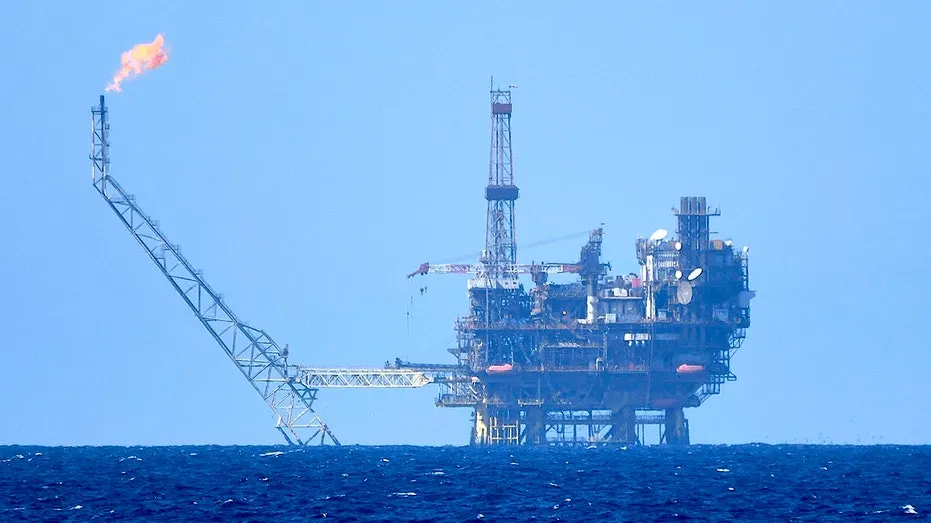
The US State Department has called a maritime agreement between Turkey and eastern Libya “unhelpful and provocative”, saying its ratification has raised tensions in the eastern Mediterranean. The dispute matters because several countries say the deal redraws maritime boundaries in an area where significant gas deposits may lie, with possible implications for energy exploration and regional security.
Eastern Libya’s parliament approved the accord in mid-October, despite it bypassing Libya’s internationally recognised government in Tripoli. Turkish Foreign Minister Hakan Fidan defended it as legitimate under international law, while Greece’s foreign minister said it had no legal effect; the US urged Turkey and Greece, both NATO members, to resolve disagreements through negotiations. A representative of a Greek-American advocacy group also argued the deal could affect maritime rights near Crete and US energy interests, including those of Exxon and Chevron.
In short
- The US says the Turkey-Libya maritime deal is provocative.
- Greece disputes its legality; Turkey says it is legitimate.
- The accord could affect maritime claims and energy exploration.
Steelman: both sides, in good faith
The strongest fair case each way — we don't pick a winner.
The case for
Supporters can argue that Turkey and eastern Libya are entitled to define their maritime claims through an agreement they consider consistent with international law, particularly where boundaries remain disputed. Clarifying those claims could support future energy exploration and reflect the interests of parties whose position may not be captured by arrangements made through Libya’s Tripoli-based government.
The case against
Critics can argue that an accord approved by eastern Libya’s parliament without the internationally recognised government risks lacking legitimacy and cannot settle boundaries contested by neighbouring states. In a region with overlapping claims and valuable energy resources, pressing ahead may heighten tensions and complicate exploration and security; they favour resolving the disputes through negotiation.
Explained simply
Turkey and Libya face each other across the Mediterranean, where countries use maritime boundaries to define rights over waters and seabed resources. These boundaries can affect access to fishing grounds and the ability to explore for oil and gas, including deposits thought to lie in parts of the eastern Mediterranean.
Libya has rival centres of authority: the internationally recognised government is based in Tripoli, while a parliament in the east has backed a separate agreement with Turkey. Greece disputes the deal’s legal standing and says it affects waters near its islands, including Crete. Turkey and Greece are both members of NATO, the military alliance.
The disagreement matters because competing claims could shape energy exploration and relations among countries in the region. The United States has interests in regional stability and in energy companies operating there, including Exxon and Chevron.
Americas Art Cricket Culture Sport World