World news and discussion on TalkFuse.
US, China strike deal to lower tariffs on $30B in goods after Trump-Xi Washington summit
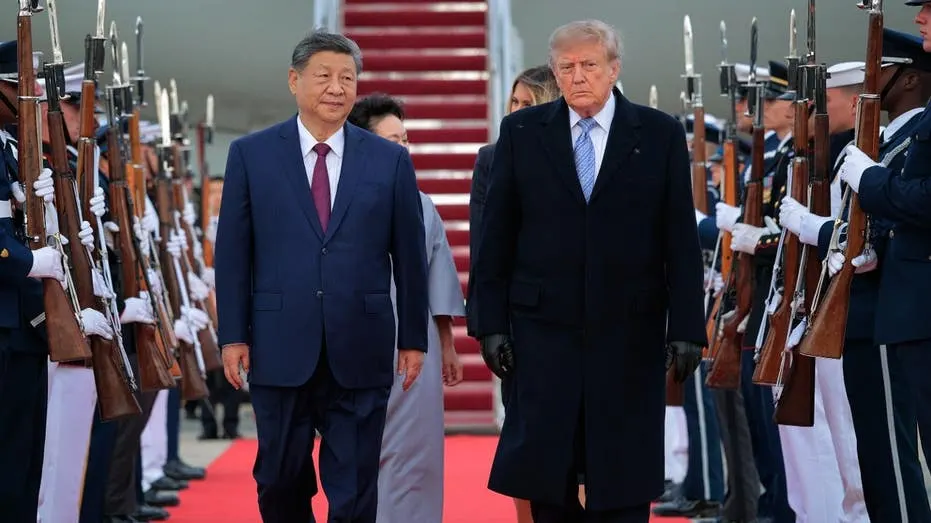
The United States and China have agreed to reduce tariffs on $30 billion worth of “non-sensitive” goods after a three-day summit between Donald Trump and Xi Jinping in Washington. The deal marks a significant easing of tensions in the trade war and is intended to support trade in selected sectors while creating a framework for further negotiations.
Chinese tariff concessions will cover US agricultural products, seafood, timber, cosmetics and medical devices, while US imports of Chinese appliances, toys, decorations and children’s car seats will receive preferential treatment. The countries have not yet published the final tariff rates or complete product list, with further details expected after weeks of negotiations. The agreement follows tariffs that previously reached 145% on Chinese goods and 125% on US goods, as well as earlier truces and tentative commitments concerning fentanyl chemicals, soybeans and rare-earth exports.
In short
- US and China will cut tariffs on $30bn of selected goods.
- The agreement covers agricultural, consumer and medical products.
- Further tariff details and wider negotiations are expected.
Steelman: both sides, in good faith
The strongest fair case each way — we don't pick a winner.
The case for
This tariff reduction represents meaningful progress in a longstanding trade conflict. By lowering duties on $30 billion in goods, both countries create space for economic growth, reduce consumer costs, and ease tensions that have periodically destabilised global markets. The framework for further negotiations suggests a pragmatic approach to addressing trade differences through dialogue rather than escalating duties, which benefits working people and businesses on both sides.
The case against
Whilst the tariff reductions are welcome, this agreement may prove insufficient without addressing fundamental trade imbalances and structural issues between the two economies. Questions remain about enforcement mechanisms, the scope of excluded goods, and whether each nation has secured genuinely reciprocal advantages. Without tackling deeper concerns about intellectual property, state subsidies and market access, the deal risks being temporary relief that postpones rather than resolves the underlying tensions driving the trade conflict.
Explained simply
Tariffs are taxes placed on imported goods. The United States and China have been engaged in a trade dispute for several years, with each country imposing increasingly high tariffs on the other's products. The two countries have disagreed over trade practices and economic policies, and both have used tariffs as a tool to reshape their commercial relationship.
These trade tensions affect more than just the two countries directly involved. Tariffs increase costs for businesses and consumers, disrupt global supply chains, and create economic uncertainty that can slow growth worldwide. Negotiations between the two sides have been difficult, with periods of temporary agreement followed by renewed escalation.
Donald Trump is the current US President, and Xi Jinping is China's leader. Both have significant influence over their countries' trade policies. The fact that the two leaders met for direct talks suggests both sides recognise that finding some common ground on trade could benefit their economies and reduce broader instability.
Americas Asia Geopolitics Politics World