World news and discussion on TalkFuse.
US companies win billions in African data center deals in direct competition with China
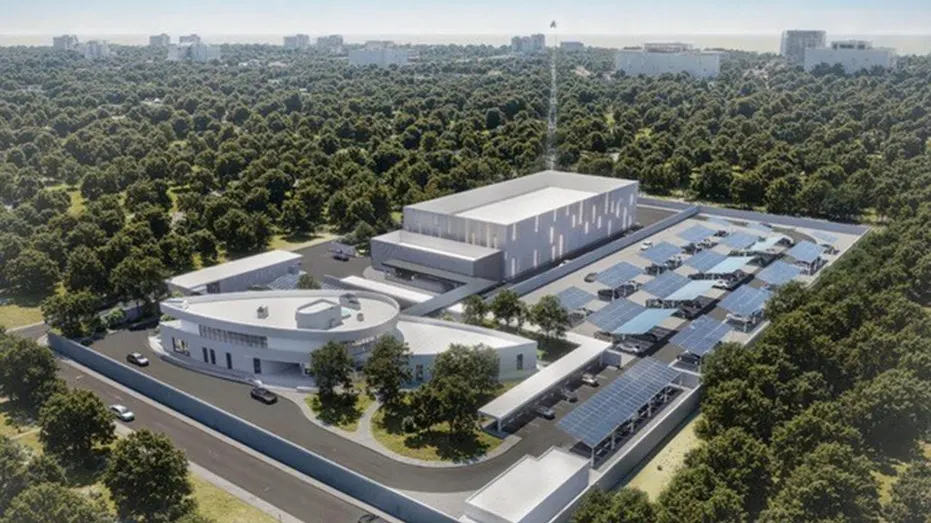
The United States is winning a growing share of major data centre and energy infrastructure deals across Africa, positioning American firms as direct rivals to China in a continent-wide technology and trade contest. The Trump administration's Bureau of African Affairs says it has helped close 37 commercial transactions worth a combined $25.67 billion (£20.3 billion) since the start of the president's second term, with US officials framing the push as offering African nations a fairer alternative to Chinese investment, which they characterise as exploitative.
Among the largest deals is a $6.2 billion (£4.9 billion) agreement in Lesotho, secured by American firm Convalt Energy, covering a 1,200MW pumped-storage hydropower plant and a 900MW AI data centre — the biggest transaction in the country's history, expected to boost its electricity generation capacity roughly sixteenfold. In Gabon, US-backed firms have won around $700 million (£554 million) in contracts, including $100 million (£79 million) for two data centres and a gas-to-power plant. China remains the dominant trading partner overall, with Beijing reporting $348 billion (£275 billion) in Africa trade last year against $83.4 billion (£66 billion) for the US, and it retains deep financial ties in countries such as Lesotho through tariff exemptions and debt cancellations.
In short
- US firms secured $25.67bn in African data centre deals since 2025
- Convalt Energy's $6.2bn Lesotho hydropower and AI data centre deal is largest yet
- China still dominates overall Africa trade despite US inroads
Steelman: both sides, in good faith
The strongest fair case each way — we don't pick a winner.
The case for
The US position emphasises that American firms offer more transparent contracts and stronger governance standards, contrasting with documented concerns about Chinese practices including opaque terms, debt-trap lending, and selective debt cancellations that compromise African sovereignty. Proponents argue that genuine competition benefits African nations by providing choice and negotiating leverage, and that demonstrated outcomes—such as Lesotho's sixfold electricity capacity increase—show infrastructure development coupled with respect for local governance and decision-making autonomy.
The case against
Critics contend this represents great-power competition masquerading as development altruism, with both the US and China pursuing geopolitical objectives rather than purely developmental ones. They argue that characterising Chinese investment uniformly as exploitative obscures its genuine infrastructure achievements and overlooks that Chinese lenders' willingness to engage higher-risk projects provides capital access African nations might not otherwise secure, offering real development opportunities despite legitimate concerns about specific terms in individual agreements.
Explained simply
Data centres house the computer systems that store and process digital information, and they need large amounts of electricity. African governments are seeking investment in power and technology as demand for digital services grows, while companies from the United States and China compete for major projects.
The United States says its officials have helped American firms secure infrastructure deals across the continent. China has long-standing trade and financial ties with many African countries and remains the continent’s largest trading partner overall.
These projects can bring investment and expand electricity supplies, but they also involve long-term commitments between governments and companies. Their scale makes the terms of financing, ownership and local benefits important to the countries involved.
Africa AI Americas Asia Technology World