US counterintelligence ‘way behind,’ post-9/11 record ‘extraordinarily negligent’, fmr Trump WH official warns
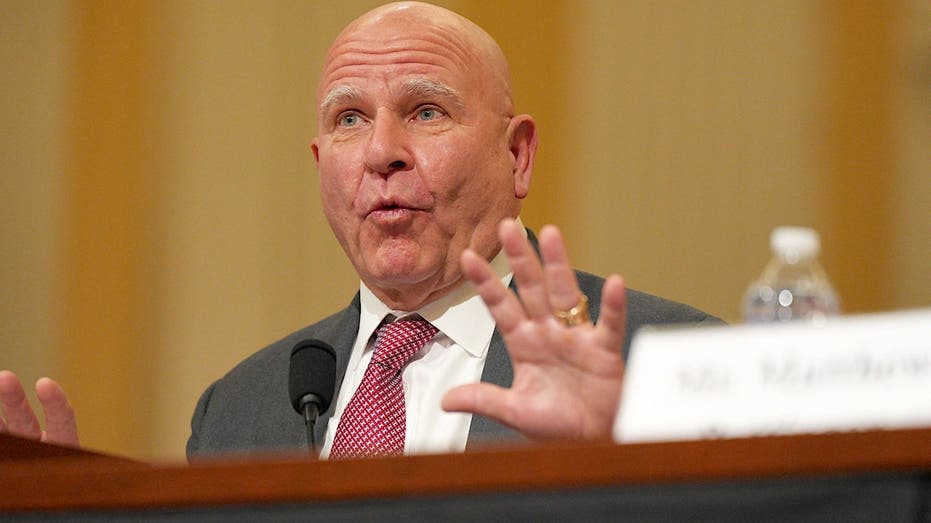
Former Trump White House national security adviser H.R. McMaster has warned lawmakers that US counterintelligence capabilities have fallen significantly behind the threats posed by China and Russia. He argued that Washington's near-exclusive post-9/11 focus on counterterrorism allowed rival states to substantially expand their espionage, cyber and influence operations largely unchecked, describing America's counterintelligence record over that period as "extraordinarily negligent."
McMaster told lawmakers "the counterintelligence threat is like, way behind," pointing to how Beijing and Moscow have exploited gaps in US oversight of technology and investment to advance their intelligence-gathering efforts. His remarks highlight growing concern in Washington that decades of prioritising terrorism-related threats have left the country exposed to more sophisticated state-level espionage and cyber campaigns.
In short
- McMaster says US counterintelligence lags badly behind China and Russia
- Post-9/11 focus on terrorism let rival states expand espionage unchecked
- He calls America's counterintelligence record "extraordinarily negligent"
Steelman: both sides, in good faith
The strongest fair case each way — we don't pick a winner.
The case for
The post-9/11 era represented a genuine strategic misstep that left America exposed to sophisticated state actors. With intelligence resources and leadership attention concentrated on counterterrorism in the Middle East, China and Russia systematically advanced their espionage, cyber and influence operations with minimal friction. This wasn't inevitable—the intelligence community could have maintained robust counterintelligence against traditional state adversaries whilst managing terrorism threats, but organisational momentum and budget priorities created real gaps that rivals exploited for decades.
The case against
Counterterrorism was a proportionate response to immediate, catastrophic threats when those decisions were made. The US intelligence apparatus continued significant counterintelligence operations against Russia and China throughout the post-9/11 period, even as resources shifted—describing this as 'extraordinarily negligent' oversimplifies complex real-time trade-offs made with imperfect information. Moreover, China and Russia's technological advances and strategic assertiveness were driven primarily by their own choices and capabilities, not by American inattention. Framing rival nations' success as primarily a result of US negligence understates their agency and resources.
Explained simply
Counterintelligence refers to the work of detecting and preventing spying, hacking and other intelligence operations that foreign countries direct against a nation. For the United States, strong counterintelligence is vital to protecting military secrets, government operations and critical infrastructure from countries seeking to gain strategic advantages through espionage or cyber attacks.
Following the terrorist attacks of September 2001, American security priorities shifted dramatically towards countering terrorism, particularly from groups like Al-Qaeda. This meant that counterintelligence operations targeting state rivals such as China and Russia received less funding and attention, even as those countries were quietly expanding their own intelligence gathering and cyber capabilities.
In recent years, senior US security officials have grown concerned that decades of focusing primarily on terrorism have left the country vulnerable to sophisticated state-level spying and cyber campaigns. There is growing recognition in Washington that the threat landscape has shifted and that American counterintelligence capabilities may not be adequately resourced to meet this new challenge.