US counters China as Beijing’s ‘shock wave’ hits African economies
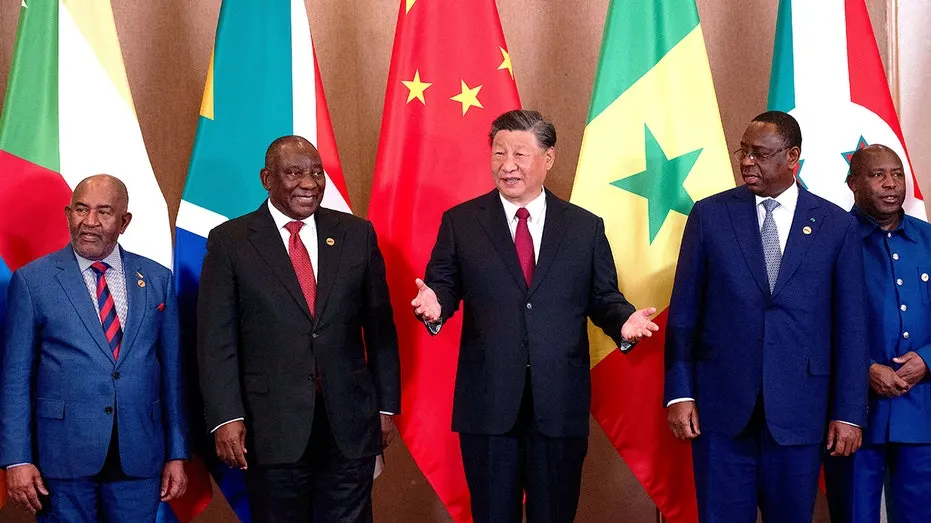
US officials have criticised China’s trade relationship with African countries, arguing that subsidised Chinese imports are undermining local manufacturing while African exports remain concentrated in raw materials. The Trump administration says it wants to offer American financing and investment as an alternative, framing the issue as both an economic and strategic concern.
China exported $225 billion of goods to Africa in 2025 but imported about $123 billion, according to the China Global South Project. Critics say Chinese lending can bring conditions favouring Chinese contractors, citing Mozambique, while Chinese vehicles account for an estimated 17% to 40% of South African car sales; supporters point to lower prices and improving product quality for consumers.
In short
- US criticises China’s growing trade imbalance with Africa.
- Chinese imports are accused of weakening African manufacturing.
- China’s lower-cost vehicles are gaining South African market share.
Steelman: both sides, in good faith
The strongest fair case each way — we don't pick a winner.
The case for
The concern centres on whether China's engagement serves African development or perpetuates extraction. Critics argue that subsidised Chinese manufacturing undercuts local African industry whilst China imports primarily raw materials, perpetuating colonial-style resource dependency. Chinese lending frequently carries conditions favouring Chinese contractors, creating financial dependency that concerns those who believe Africa needs genuine industrial development rather than relationships locking countries into lower-value production and external leverage. The values at stake centre on African economic sovereignty and long-term self-determination.
The case against
Supporters of Chinese engagement argue it has meaningfully addressed infrastructure and consumer needs when Western investment was limited. They emphasise that lower prices and improving product quality benefit African consumers directly, and that Chinese investment and lending have supported development where other sources were unavailable. Rather than exploitation, they view it as pragmatic South-South cooperation reflecting natural comparative advantages, noting that African governments retain agency in negotiations and that Chinese firms create genuine employment opportunities. The values involve practical development assistance and partnership between developing nations facing similar challenges.
Explained simply
China is a major trading partner for many African countries, selling manufactured goods and buying commodities such as minerals and agricultural products. This pattern can give consumers access to lower-priced goods, but critics say it may make it harder for local manufacturers to compete and keep African exports focused on raw materials.
The debate also involves investment and lending. Some critics argue that Chinese loans can tie projects to Chinese contractors, while supporters say Chinese trade and finance can help meet demand and fund development. The US is presenting its own investment and financing as an alternative, making the issue part of wider competition for economic and strategic influence in Africa.
Africa Americas Art Asia Culture World