US distributor of China’s most popular humanoid robots pivots after US ban
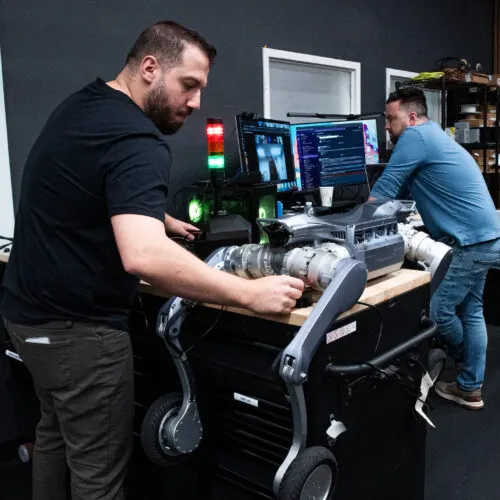
RoboStore, previously the leading North American distributor of Chinese-made humanoid robots and robot dogs, is shifting to manufacturing its own robots at a new facility on Long Island, New York. The move comes as the US government tightens restrictions on foreign-made robots, most notably a July ban by the Federal Communications Commission on imports of new models from firms such as China's Unitree Robotics, citing cybersecurity concerns.
RoboStore, which had sold over 1,500 robots to customers including Cisco, OpenAI, Nvidia and more than 150 universities, announced the pivot on 10 August and plans to fully open a 66,000-square-foot manufacturing plant by early 2027. It has launched a new company, Robo Inc, to run the venture, and is developing products including a wheeled humanoid torso for healthcare and concierge use, a security-focused quadruped robot, and a humanoid platform aimed at universities seeking equipment that complies with US restrictions. The company had already wound down its distribution business ahead of the ban, while continuing to support existing customers with parts and repairs.
In short
- RoboStore drops Chinese robot distribution to build its own in the US
- Comes after FCC banned imports of foreign-made robots in July
- New Long Island factory targets healthcare, security and education robots
Steelman: both sides, in good faith
The strongest fair case each way — we don't pick a winner.
The case for
These restrictions protect genuine national security interests. As robots become increasingly sophisticated and ubiquitous in sensitive environments—corporate offices, universities, research facilities—the risk that Chinese-controlled devices could collect data or be remotely compromised poses real concerns. Rather than relying on case-by-case oversight of inherently opaque foreign technology, the US is prudently ensuring that critical infrastructure and intellectual property remain protected by equipment manufactured under domestic control and transparency standards.
The case against
This ban prioritises protectionism over innovation and consumer benefit. Chinese companies like Unitree have developed superior robotics technology at competitive prices, and American businesses like RoboStore were thriving as distributors. Outright import bans suppress competition rather than addressing specific security vulnerabilities through targeted regulation. The restrictions harm American companies, limit technological progress, and deprive researchers and businesses of access to the best available tools—all whilst likely provoking retaliatory measures against American technology exports.
Explained simply
RoboStore built its business importing and selling robots made in China, including humanoid machines and four-legged robot dogs. One of the main manufacturers was Unitree Robotics, whose products were used by companies and universities in the United States.
The US Federal Communications Commission restricts imports of new robot models from some foreign firms, citing cybersecurity concerns. That has made it harder for US customers to buy certain machines and for distributors such as RoboStore to rely on overseas suppliers.
Robo Inc is the new company behind RoboStore’s planned US manufacturing operation on Long Island. Its proposed robots are aimed at settings such as healthcare, security and university research, where buyers may need equipment that meets US rules.