Technology news and discussion on TalkFuse.
US dollar slides after Democrats’ midterm election win as growth fears rise
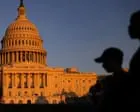
The US dollar fell to a one-month low after Democrats won control of both chambers of Congress in the midterm elections, as investors reassessed the outlook for Donald Trump’s final two years in office. The result raised expectations of political gridlock and closer scrutiny of the administration’s agenda, while fears about the effect on economic growth initially weighed on markets.
US shares rebounded, with the Dow rising nearly 3% and the S&P 500 and Nasdaq gaining about 1.5% each. Brent crude dropped below $100 a barrel, while the pound and euro strengthened against the dollar; investors also bought US Treasuries, pushing down yields on 10-year and two-year bonds to 4.918% and 4.597%, respectively. European markets rose, including London’s FTSE 100, up 1.8%.
In short
- The dollar hit a one-month low after Democrats’ midterm wins.
- US stocks rallied as fears of economic fallout eased.
- Bond yields fell as investors anticipated political gridlock.
Explained simply
In the United States, midterm elections choose members of Congress halfway through a president’s four-year term. Congress has two chambers, the House of Representatives and the Senate, and both help make laws, approve spending and oversee the government.
Donald Trump is the president, while the Democrats and Republicans are the country’s two main political parties. When one party controls Congress and the other holds the presidency, they may find it harder to agree on laws and policies, and Congress can examine the administration’s actions.
Investors watch these political shifts because expectations about government policy and economic growth can affect the value of the dollar and other markets. A weaker dollar means it buys less of other currencies; it can also change the cost of imports and the value of US investments for people overseas.
AI Americas Business Elections Government Politics Software Technology World