US growth beats forecasts as voters face midterm elections
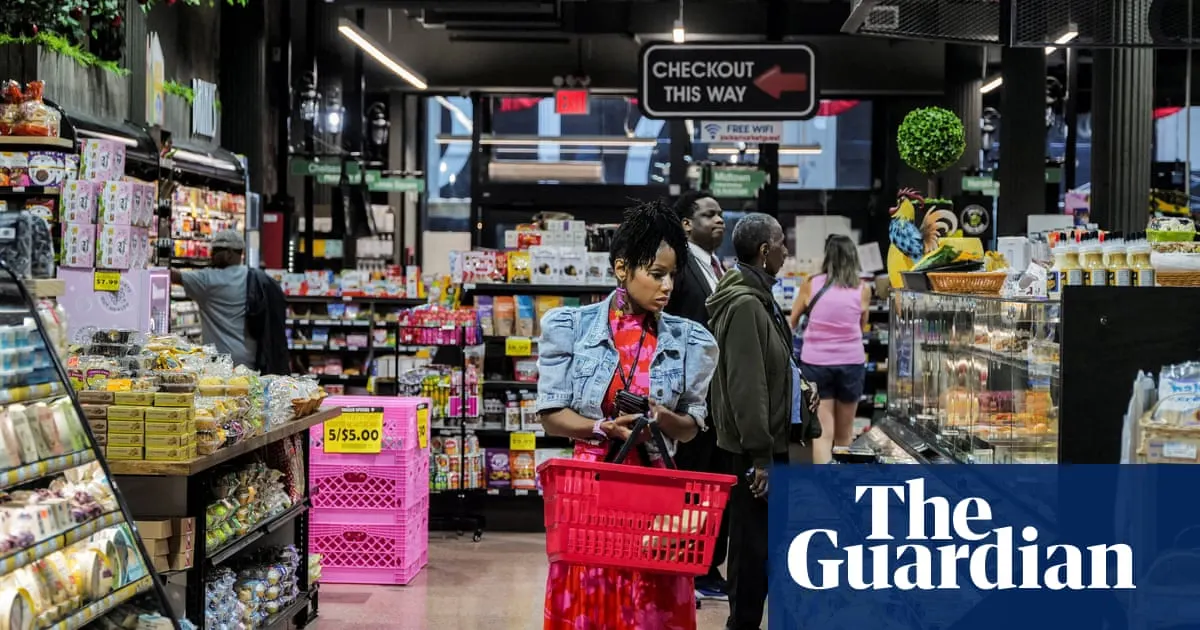
The US economy grew faster than expected in the third quarter, supported by steady household spending and investment linked to artificial intelligence. The figures contrast with falling consumer confidence and President Donald Trump’s low approval ratings, and arrive less than a week before midterm elections that will decide control of Congress.
GDP rose at a 3.4% annualised rate from July to September, above economists’ 3.2% forecast; consumer spending, which makes up more than two-thirds of the economy, grew 3.8%. Economists cautioned that AI spending may make growth look stronger than the broader economy, while higher petrol prices, subdued wage gains and households drawing on savings could weigh on spending. The Federal Reserve held its benchmark rate at 3.75% to 4% and said inflation remained elevated.
In short
- US GDP grew at a 3.4% annualised rate in the third quarter.
- Consumer spending rose 3.8%, matching the previous quarter.
- AI investment boosted growth, but economists cautioned it may not reflect the wider economy.
Steelman: both sides, in good faith
The strongest fair case each way — we don't pick a winner.
The case for
The stronger-than-expected growth and solid household spending suggest the economy has retained momentum, with AI-related investment adding to business activity. Supporters of the administration could argue that these figures show economic conditions are more resilient than weak confidence and approval ratings imply, and that voters should weigh realised growth alongside concerns about prices.
The case against
A single quarter of strong GDP growth may not reflect how secure households feel or how broadly prosperity is shared. Critics could point to falling confidence, subdued wage gains, higher petrol prices and households using savings, while AI investment may be lifting headline growth without signalling strength across the wider economy.
Explained simply
The US economy is measured in part by gross domestic product, or GDP, which tracks the value of goods and services produced. The headline growth rate is annualised: it shows what the quarterly pace would amount to over a year if it continued.
Households drive much of US economic activity through their spending, while businesses also contribute through investment. The Federal Reserve sets interest rates to help manage inflation and support the economy; higher rates can make borrowing more expensive.
Midterm elections take place halfway through a US president’s four-year term, and voters choose members of Congress, which makes federal laws and approves spending. Economic conditions can shape voters’ views, while Congress’s balance of power affects how readily a president can advance their policies.
Americas Art Business Culture Economy Elections Middle East Politics World
Read the full article at the source →
Originally published by The Guardian as “US economy grows faster than expected in report out just ahead of elections”.