World news and discussion on TalkFuse.
US expands military operations in Latin America
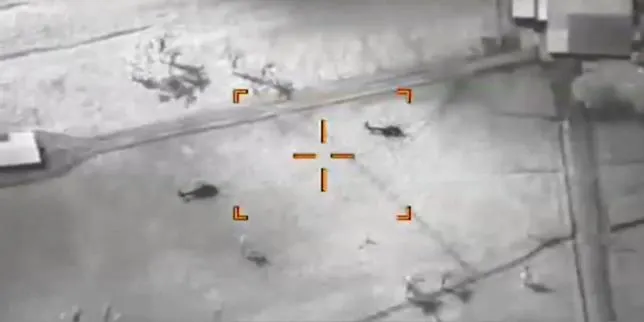
The Trump administration is expanding US military activity across Latin America through strikes, intelligence support, weapons transfers and joint training, presenting the campaign as a fight against drug trafficking and “narcoterrorism”. The approach, described as the “Donroe Doctrine”, has deepened military cooperation with several governments while prompting concerns about civilian harm, legality and Washington’s influence in the region.
The US Southern Command said that by 12 November it had destroyed 73 boats and killed 243 people it labelled “narcoterrorists”, without publicly providing evidence linking the boats to cartels. Reports also allege US support for operations against guerrillas in Venezuela, where a local organisation estimated at least 27 people died, and an investigation found a US-backed strike in Ecuador hit a dairy farm. The US-led Shield of the Americas coalition includes 19 countries; meanwhile, the Republicans’ midterm defeat has raised questions about whether the strategy will continue.
In short
- US military activity across Latin America is widening.
- The campaign has involved 73 boats destroyed and 243 deaths at sea.
- Civilian harm and the strategy’s future face growing scrutiny.
Steelman: both sides, in good faith
The strongest fair case each way — we don't pick a winner.
The case for
Supporters argue that drug trafficking networks fuel violence, corruption and instability across the region, and that joint operations, intelligence sharing and training can help governments disrupt them before they threaten more lives. They see close cooperation with regional partners as a practical response to a transnational problem that individual countries may struggle to contain alone.
The case against
Critics argue that strikes and military support without publicly presented evidence or clear legal accountability risk killing civilians and undermining the rule of law. They also warn that a US-led campaign could expand Washington’s influence at the expense of regional sovereignty, while military pressure may fail to address the social and economic conditions that sustain drug trafficking.
Explained simply
The United States has long worked with Latin American governments on security, including efforts to disrupt drug trafficking and armed groups. The Trump administration calls its current campaign a fight against drug trafficking and “narcoterrorism”, a term it uses for people it says are linked to both.
The main players are the US government and its Southern Command, which oversees American military activity in the region, alongside governments taking part in joint operations and training. Their cooperation ranges from intelligence sharing and weapons transfers to military strikes.
The campaign matters because it affects regional security and relations between the US and Latin American countries. It also raises questions about civilian safety, the legal basis for military action and how much influence Washington has in the region.
Americas Elections Government Politics World