World news and discussion on TalkFuse.
US FAA says it will phase out floppy disks from air traffic control by 2028
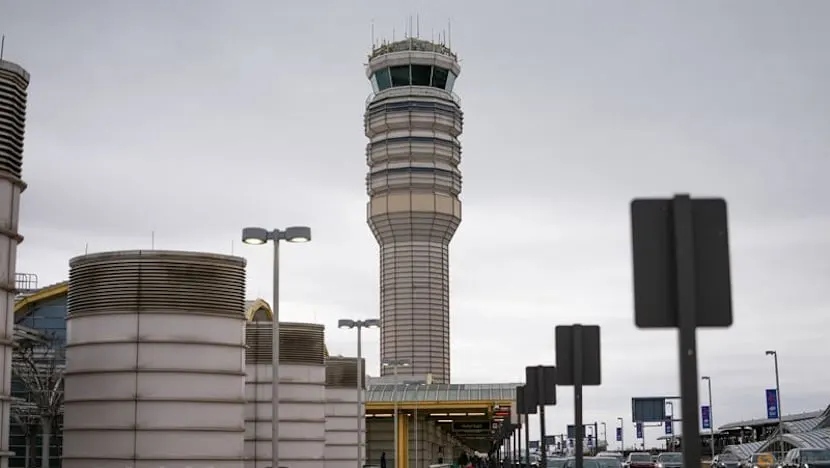
The US Federal Aviation Administration plans to replace floppy disks used for weather and other critical information at more than 400 air traffic control facilities by the end of 2028. The move is part of a wider effort to modernise systems that controllers rely on to share operational updates and respond to flight risks.
A new Enterprise Information Display System will bring together functions currently handled by four systems dating to the 1980s. The FAA says recent fibre-optic cable cuts have caused outages, delays and cancellations, including incidents near Houston and in the Northeast. Congress approved $12.5 billion last year for air traffic control upgrades, while Transportation Secretary Sean Duffy is seeking a further $30 billion; the FAA also relies on ageing computers and is short of several thousand controllers.
In short
- The FAA will replace floppy disks at more than 400 facilities by 2028.
- A new system will combine four systems dating to the 1980s.
- Recent cable cuts have disrupted air traffic services and flights.
Steelman: both sides, in good faith
The strongest fair case each way — we don't pick a winner.
The case for
Replacing floppy disks and consolidating decades-old systems could make critical information easier to share and reduce the risk that obsolete equipment contributes to disruption. Given reported outages and the safety demands of air traffic control, supporters can argue that modernisation is a prudent use of public funds, especially if it improves reliability across hundreds of facilities.
The case against
Modernisation may be necessary, but large technology programmes can be costly and disruptive, and replacing storage media alone does not address vulnerabilities such as fibre-optic cuts or staffing shortages. A reasonable sceptic could argue that the FAA should set clear priorities, demonstrate that the new system will work reliably, and ensure spending improves day-to-day resilience rather than treating a visible upgrade as a solution to wider problems.