US imposes sanctions on International Criminal Court
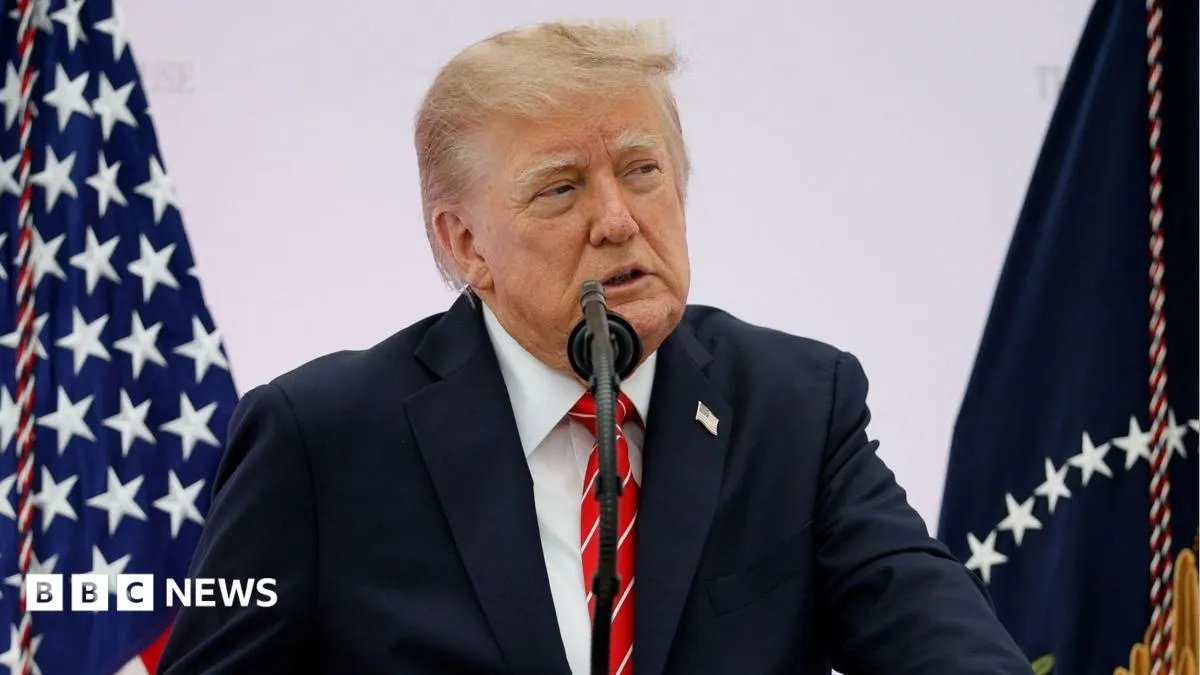
The Trump administration has imposed broad sanctions on the International Criminal Court (ICC), saying they will restrict its resources and ability to operate. Secretary of State Marco Rubio said the measures defend US sovereignty and prevent the court from prosecuting Americans; the ICC called them an attack on the rule of law.
The sanctions bar US entities from transactions with the court, including providing banking or software services. The US argues the ICC has no jurisdiction over it because it did not ratify the treaty that established the court, while the ICC has investigated US actions in Afghanistan and issued arrest warrants for Israeli officials, including Benjamin Netanyahu. Washington has urged its allies that belong to the ICC to address its concerns.
- US sanctions aim to restrict the ICC’s operations.
- Rubio says the measures defend US sovereignty.
- The ICC says it will not be deterred.
New here? Start with this
The International Criminal Court is a permanent international tribunal established in 2002 to prosecute individuals for genocide, crimes against humanity, and war crimes. It was created by an international treaty and operates independently from any single country, with over 120 member states.
The United States is not a member of the ICC, having never ratified the treaty that established it. American officials have long objected to the court's jurisdiction, concerned that it might prosecute US citizens or officials without sufficient safeguards for American interests.
The tension between the US and ICC reflects deeper disagreement about international justice and the limits of the court's authority. The conflict has grown more serious as the court has taken actions the US views as inappropriate, including investigations and warrants affecting American interests or allies.
Both sides, in good faith
The strongest fair case each way — we don't pick a winner.
The case for
The United States contends that it cannot be bound by a treaty it did not ratify and has no obligation to submit its citizens to an unelected international court. Defenders of the sanctions argue that protecting American sovereignty and citizens from potential prosecution by an institution with questionable impartiality is entirely reasonable, especially when the court investigates countries that have not consented to its jurisdiction.
The case against
Advocates for the ICC argue that international justice depends on its independence from powerful nations, and that economic coercion sets a dangerous precedent where states can pressure international courts that displease them. They maintain that the court's role in holding perpetrators of mass atrocities accountable is essential, and that undermining it because major powers wish to avoid scrutiny fundamentally weakens the rule of law at a global level.