World news and discussion on TalkFuse.
US kills 4 alleged drug smugglers on boat in Caribbean, bringing total to 227 in 68 strikes
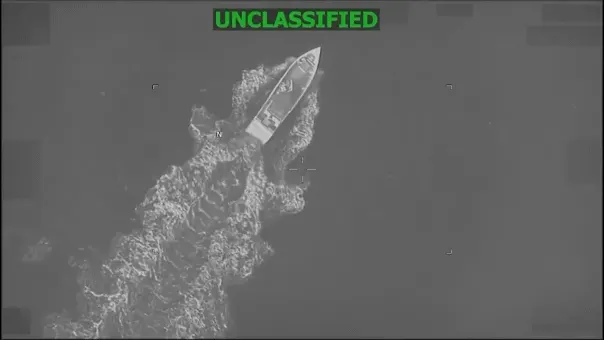
US Southern Command carried out a lethal strike on a boat in the Caribbean on 25 August, killing four people it described as "narco-terrorists," part of an ongoing campaign against suspected drug-trafficking vessels that has now claimed at least 227 lives across 68 strikes over roughly the past year. The action, ordered under Gen. Francis L. Donovan's Joint Task Force Western Hemisphere, follows a strike on Monday that killed two people in the Eastern Pacific, marking a return to frequent operations after more than two months of relative calm. The Trump administration frames the campaign as a necessary military response to curb drug trafficking into the United States, having declared the country in "armed conflict" with cartels across Latin America.
SOUTHCOM said the vessel struck on Monday was a "go-fast" boat operating along known trafficking routes, and that intelligence confirmed its involvement in narcotics smuggling. The administration is also seeking to extend operations onto land, with War Secretary Pete Hegseth claiming Colombia, Guatemala and Honduras had agreed to allow joint US military action against criminal groups on their territory, though Guatemala has denied any such agreement; Ecuador began similar joint missions with the US in March.
In short
- US strike kills four alleged drug smugglers in Caribbean
- Campaign has now killed at least 227 people in 68 strikes
- US pushing Latin American nations to allow land operations against cartels
Steelman: both sides, in good faith
The strongest fair case each way — we don't pick a winner.
The case for
Drug cartels represent an armed threat to American and regional security, with fentanyl and related substances killing tens of thousands of Americans annually. Military interdiction of trafficking vessels on established smuggling routes is a proportionate response to this ongoing attack on American citizens, particularly when civilian law enforcement has proven insufficient to stem the flow. These operations target specific vessels engaged in known smuggling activities and disrupt supply chains that directly enable harm to Americans.
The case against
Extrajudicial killings without judicial process or transparent verification violate fundamental principles of due process and international law that democratic nations should uphold, regardless of the threat. The lack of independent oversight, denial from Guatemala about alleged agreements, and the scale of the death toll raise serious concerns about targeting accuracy and potential sovereignty violations. Military solutions that kill suspected traffickers without capture or prosecution address symptoms rather than root causes of trafficking, and risk generating regional instability and anti-American sentiment that ultimately undermines long-term security.
Explained simply
US Southern Command, or SOUTHCOM, is the US military command responsible for operations in Central and South America and the Caribbean. It says the boats targeted in the campaign are carrying drugs along routes used by smugglers; “go-fast” boats are small, fast vessels often used for this purpose.
The Trump administration says it is using military force because drug trafficking poses a threat to the United States, and has described the country as being in an armed conflict with cartels. The campaign has raised questions about the use of lethal force against people suspected of smuggling drugs and about how far US military operations may extend.
The administration has also discussed working with countries in the region against criminal groups. Ecuador began joint missions with the US in March, while Guatemala has denied agreeing to the joint action described by US War Secretary Pete Hegseth.
Americas Health Medicine World