US military boards, searches and sinks vessel allegedly supporting Los Choneros narco-terrorists
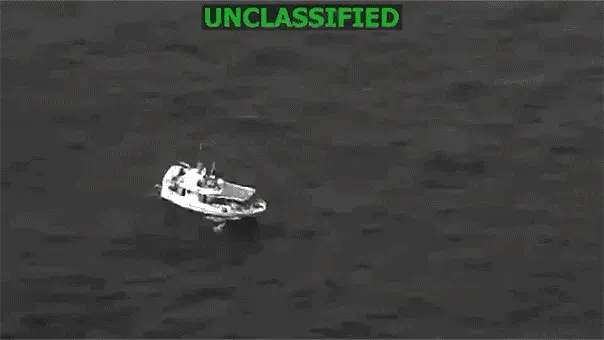
The US military intercepted, boarded and sank a vessel in the Eastern Pacific on 2 September, alleging it was a floating refuelling station supporting the Los Choneros criminal organisation, which it labels a "narco-terrorist" group. US Southern Command (SOUTHCOM) said the operation, carried out with Marines and sailors from the USS San Antonio in coordination with Ecuador's government, forms part of a broader Trump administration campaign to dismantle cartel-linked trafficking networks across Latin America and the Caribbean.
According to SOUTHCOM, the vessel was boarded and cleared "without incident," multiple individuals aboard were handed over to Ecuadorian authorities, and the boat was scuttled once they were safely removed. The operation, ordered by SOUTHCOM commander Gen. Francis L. Donovan, was conducted under the Americas Counter Cartel Coalition and Joint Task Force Western Hemisphere. It follows a Caribbean strike last week that killed four alleged traffickers, bringing the campaign's total to at least 227 deaths across 68 reported strikes over roughly a year; the exact location of Wednesday's operation was not disclosed.
- US forces sank a boat allegedly aiding Ecuador's Los Choneros cartel
- Crew removed and handed to Ecuadorian authorities before vessel scuttled
- Part of wider US campaign with 227+ deaths across 68 strikes to date
New here? Start with this
Los Choneros is Ecuador's largest and most powerful criminal gang, originally formed as a drug trafficking network with links to Mexico's Sinaloa cartel. It has been blamed for a surge in violence within Ecuador in recent years, including prison riots and attacks on public figures, and the country's government has designated it a terrorist organisation.
The operation described here is part of a wider push by the Trump administration to use the US military, rather than police or coastguard action alone, against groups it links to drug trafficking in Latin America and the Caribbean. US Southern Command, the branch of the military responsible for operations in the region, has carried out a series of strikes and interceptions against suspected trafficking vessels over the past year, some of which have been lethal.
This approach marks a shift from the more traditional law-enforcement response to drug trafficking, and has drawn attention because it treats alleged smugglers as military targets rather than criminal suspects to be arrested and prosecuted. Ecuador's cooperation with the US in this case reflects the close security ties between the two governments as Ecuador continues to grapple with gang-related violence.
Both sides, in good faith
The strongest fair case each way — we don't pick a winner.
The case for
Supporters argue that cartel-linked trafficking networks operate with paramilitary sophistication and inflict mass harm through the drug trade and associated violence, so treating them as "narco-terrorists" and using military assets to disrupt their logistics, such as refuelling vessels, is a proportionate and overdue escalation. They note this operation involved no casualties, was conducted in coordination with Ecuador's government, and ended with detainees handed to local authorities rather than killed, suggesting a disciplined approach that removes trafficking capacity while respecting partner sovereignty. From this view, sustained military pressure, backed by figures like the 68 reported strikes, demonstrates resolve that traditional law-enforcement methods have failed to achieve against transnational criminal organisations.
The case against
Critics argue that using military force, including lethal strikes, against alleged traffickers bypasses the judicial due process traditionally applied even to serious criminal suspects, and that a cumulative total of at least 227 deaths across roughly a year raises serious questions about oversight, evidence standards, and the risk of killing people who are wrongly identified or only tangentially involved. They contend that labelling criminal groups "narco-terrorists" to justify military rather than law-enforcement responses sets a troubling precedent for extrajudicial action, particularly when strike locations and evidentiary bases are not disclosed. From this perspective, even operations like this one that conclude without bloodshed exist within a broader campaign whose legality under domestic and international law, and whose long-term implications for sovereignty and the rule of law in the region, remain contested and warrant far greater transparency and accountability.