World news and discussion on TalkFuse.
US disables tanker fleeing blockade, leaving crew unharmed
Developing story first seen 2 hours ago
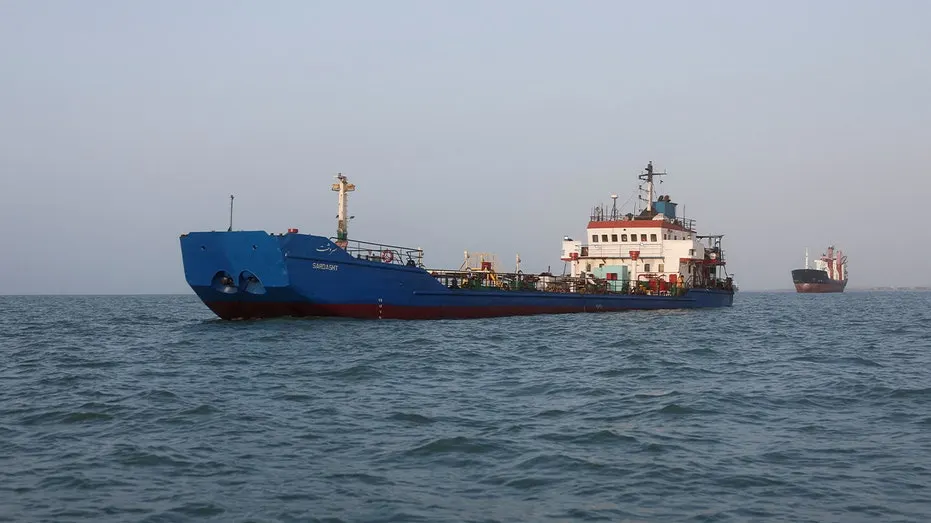
New details say US Central Command has redirected 158 commercial vessels that complied with its blockade and disabled six that did not, including the M/V Pacific Archer on Thanksgiving. The Palau-flagged tanker was struck in the Gulf of Oman after leaving Bandar Abbas and attempting to evade the blockade of Iranian ports, in effect since mid-July.
CENTCOM said precision munitions hit the ship’s stern and destroyed its propulsion, while the civilian crew were unharmed. President Donald Trump said the US was giving Iran a chance to reach a deal and that victory was within reach; he also said US forces would strike an underground complex near Natanz if US strikes resumed.
- Sources
- 2
- Outlets
- 2
- Left · Centre · Right
- 0 · 1 · 1
In short
- US forces disabled a tanker that tried to evade the Iran blockade.
- CENTCOM says 158 compliant vessels were redirected and six disabled.
- The tanker’s crew were unharmed, according to CENTCOM.
How this story developed
- 46 minutes ago The latest account specifies that US precision munitions struck the Pacific Archer’s stern and destroyed its propulsion as it tried to evade the blockade, which has been in force since mid-July.
- 58 minutes ago CENTCOM said it had redirected 158 commercial vessels that complied with its blockade of Iranian ports and disabled six that did not, including the Palau-flagged tanker M/V Pacific Archer in the Gulf of Oman after it left Bandar Abbas on Thanksgiving; its crew were unharmed, and President Donald Trump said a deal with Iran remained possible while warning of a strike near Natanz if US attacks resumed.
Full account
The US military says it disabled a commercial vessel in the Gulf of Oman on Thursday after it left the Iranian port of Bandar Abbas and attempted to evade a US blockade of Iranian ports. US Central Command (CENTCOM) identified the ship as the Palau-flagged M/V Pacific Archer. The Associated Press reported that ship-tracking websites listed Singapore as its destination.
According to CENTCOM, a military aircraft fired precision munitions at the vessel’s stern, disabling its propulsion. The command said the civilian crew was unharmed. A video released by the military shows a projectile striking the rear of the ship and an explosion. The reports do not provide an independent account of the strike or the ship’s condition afterwards.
The blockade was paused during talks with Tehran and resumed in July, according to the Associated Press; the first source describes it as having been in effect since mid-July. CENTCOM says US forces have redirected 158 commercial vessels since the blockade resumed and disabled six that did not comply. The AP places the Pacific Archer among at least 15 vessels disclosed as disabled since the blockade began in the spring, including six since its summer resumption. It also recalls a June strike on a Palau-flagged tanker in which Indian officials said three sailors were killed, an incident that drew condemnation from the head of the UN’s International Maritime Organization.
The strike comes amid uncertainty over whether the conflict with Iran will resume. The AP describes a months-long lull and reports that regional officials have worked to prevent renewed fighting, while noting pressure from Israel’s prime minister for the US to restart strikes or permit Israeli attacks. The first source instead focuses on President Donald Trump’s Thanksgiving remarks: he said the US had victory “at hand”, reiterated that Iran would not be allowed to obtain a nuclear weapon and said US forces had launched 150 missiles to intercept threats to commercial shipping in the Strait of Hormuz. He also said the US would strike an underground complex near Natanz if attacks resumed. These political statements provide context, but neither report establishes that a decision to restart the war has been made.
Where outlets differ
From the full account, which is AI-written from the sources:
The first source says the blockade has been in effect since mid-July and reports CENTCOM’s figures of 158 redirected vessels and six disabled. The AP adds that the blockade began in April, was lifted during talks and resumed in July; it also distinguishes the six disabled since the resumption from at least 15 disclosed since the blockade first began.
The AP supplies broader context about diplomatic efforts, pressure from Israel and the earlier fatal tanker strike. The first source gives more space to Trump’s Thanksgiving comments, including his claims about victory, Iran’s nuclear programme, missile interceptions and a potential strike near Natanz.
The AP says the ship-tracking destination was Singapore. That detail is absent from the first source. Both accounts attribute the strike details and the report that the crew was unharmed to CENTCOM.
Centre outlets 1
- U.S. military says it disabled another ship that tried to breach naval blockade on Iranian portsPBS NewsHour
Only here: military, disabled, another, ship, tried
Right-leaning outlets 1
Only here: disables, tanker, fleeing, leaving, crew
Every side used: blockade
Headline columns compared word for word; nothing in them is AI-written.
Steelman: both sides, in good faith
The strongest fair case each way — we don't pick a winner.
The case for
Supporters of the blockade argue that enforcing it is a proportionate way to pressure Iran to negotiate and to limit resources reaching its government, while giving commercial vessels the option to comply. Disabling the tanker’s propulsion rather than harming its crew can be seen as a measured warning that makes the policy credible and may deter further evasion.
The case against
Critics argue that a blockade and the use of military force against a commercial vessel risk escalating conflict and harming civilian trade, even when the crew are unharmed. They may also question the legal basis and proportionality of targeting the ship, and argue that coercive pressure and threats of further strikes could undermine diplomacy rather than secure a deal.
Explained simply
A blockade restricts ships from entering or leaving specified ports or waters. The United States says its blockade of Iranian ports began in mid-July and has redirected commercial vessels that complied; it says it has also disabled ships that tried to get through.
The M/V Pacific Archer is a tanker registered in Palau, a Pacific island country. US Central Command says it struck the ship’s stern, stopping its propulsion, after it left Bandar Abbas and headed into the Gulf of Oman; the crew were not hurt.
The incident is part of wider US pressure on Iran over a possible deal and the security of the region. Actions against commercial shipping can affect crews, trade and movement through nearby sea routes, while the stated aim and legal basis of a blockade may be disputed by the countries involved.
Coverage · 2 sources
Bias meters
From 2 rated sources.
Read the full article at the source →
Originally published by Fox News as “US military disables tanker ship attempting to slip through Iran blockade on Thanksgiving Day”.