US military kills five in eastern Pacific strike on suspected drug-trafficking vessel
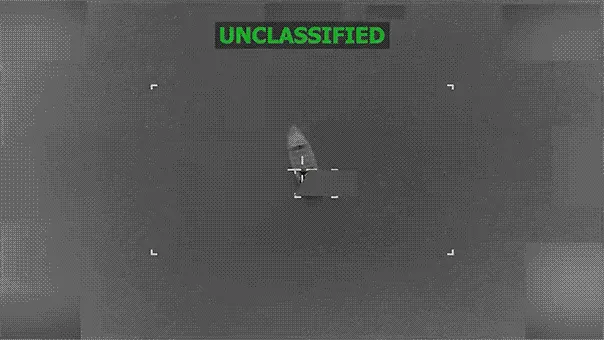
The US military says it struck a suspected drug-trafficking vessel in the eastern Pacific on 27 October, killing five people it labelled “narco-terrorists”. The attack adds to the Trump administration’s extended campaign against suspected cartel vessels and has renewed scrutiny of the legal basis for using lethal force against people outside a traditional battlefield.
US Southern Command said intelligence indicated the vessel was actively involved in trafficking and that it was travelling along established routes, but it did not give the precise location or publish evidence that drugs were aboard. The campaign has involved more than 70 strikes and caused at least 240 deaths, according to the Associated Press. Secretary of State Marco Rubio has said the US prefers to work with regional allies, while retaining the option to act unilaterally.
In short
- US Southern Command says five people were killed in an eastern Pacific strike.
- The location and evidence of drugs aboard were not disclosed.
- The wider campaign has caused at least 240 deaths, according to the AP.
Steelman: both sides, in good faith
The strongest fair case each way — we don't pick a winner.
The case for
Supporters argue that suspected trafficking vessels can fuel organised violence and destabilise the region, and that credible intelligence may justify disrupting them before drugs or weapons reach shore. They see lethal strikes as a way to protect lives and national security when interdiction or cooperation with regional partners is not feasible, while stressing that the military should act only on reliable intelligence and within the law.
The case against
Critics argue that killing people suspected of trafficking outside a traditional battlefield risks bypassing law-enforcement and judicial safeguards, including the chance to challenge the evidence or surrender. With no precise location or public evidence that drugs were aboard, they say the strikes raise serious questions about due process, the legal basis for lethal force and accountability, and could undermine regional trust.
Explained simply
The US says some vessels in the eastern Pacific are used to move illegal drugs from South America towards markets in North America. The region includes international waters, where ships may pass beyond any one country’s territorial control.
The campaign is led by the Trump administration, with the US military carrying out strikes and Southern Command overseeing operations in the region. Secretary of State Marco Rubio has described working with regional governments as the preferred approach, while saying the US may act alone.
The strikes raise questions about how governments can use force against suspected criminals outside a conventional war zone. They also matter to countries in the region, whose cooperation and authority at sea may be affected by US operations.
Americas Health Medicine World