US Navy bets another $150M on fighter drone that skips the runway
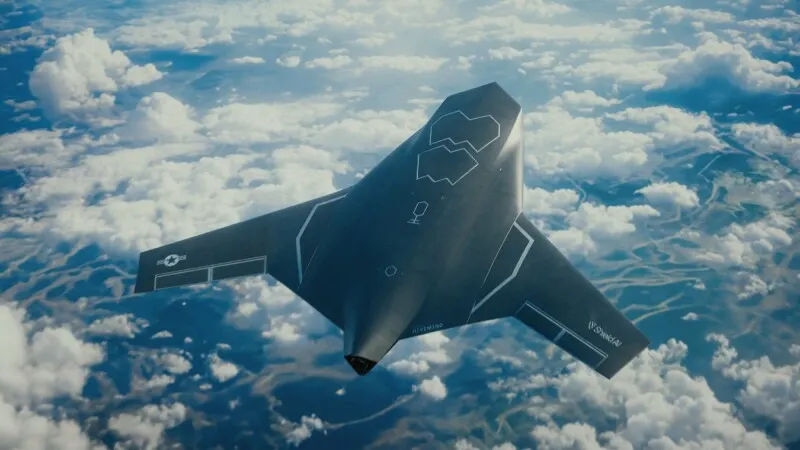
Shield AI says the US Navy has committed another $150 million to develop X-BAT, an autonomous fighter drone designed to take off and land vertically without a runway. The company is matching that investment, bringing combined government funding and company commitments to $400 million. If successful, the aircraft could let the Navy operate combat drones from a wider range of ships.
The 26-foot-long aircraft has a 39-foot wingspan, and Shield AI claims it can fly more than 2,000 nautical miles and reach supersonic speeds. Flight testing is planned for later this year, with mission capability targeted for 2028; work so far includes engine and nozzle integration and wind-tunnel testing. The UK Royal Navy is also seeking carrier-based combat drones, making X-BAT a possible candidate for its Project VANQUISH programme.
- The US Navy added $150 million for Shield AI’s X-BAT drone.
- The aircraft is designed to operate without a runway.
- Flight tests are planned this year, with capability targeted for 2028.
New here? Start with this
X-BAT is an experimental fighter drone being developed by Shield AI with support from the US Navy. Unlike conventional combat aircraft that need long runways, it is designed to take off and land vertically, which would allow the Navy to operate armed drones from a much wider range of ships without requiring dedicated airfields. This flexibility is attractive to military planners seeking to expand where and how they can deploy forces.
The drone is engineered to travel more than 2,000 nautical miles and reach supersonic speeds. Shield AI is progressing through technical development stages including engine integration and wind-tunnel testing, with flight trials scheduled for later this year and operational capability targeted for 2028.
The technology has caught the attention of allied navies. The UK Royal Navy is exploring similar capabilities, potentially incorporating X-BAT into its Project VANQUISH programme, suggesting that vertical-takeoff combat drones are becoming a priority for modern naval forces.
Both sides, in good faith
The strongest fair case each way — we don't pick a winner.
The case for
The Navy's continued commitment to X-BAT represents sound military modernisation that enhances operational capability and flexibility. The drone's vertical take-off and landing capability would enable deployment from a far wider range of naval vessels, whilst its 2,000+ nautical mile range and supersonic performance provide substantial tactical advantages. Autonomous systems reduce pilot risk, and maintaining technological leadership in autonomous systems is crucial for national security against peer competitors.
The case against
The $400 million investment in an unproven technology unlikely to reach operational capability before 2028 raises legitimate questions about resource allocation given competing defence priorities and constrained budgets. Autonomous combat systems that make lethal decisions with limited human oversight present ethical concerns about accountability, responsibility, and the risk of escalating an autonomous weapons arms race with uncertain strategic consequences. With flight testing only now planned, this represents a speculative commitment of substantial resources.