World news and discussion on TalkFuse.
US Olympic hero Nancy Hogshead launches petition calling for WNBA to restrict gender eligibility
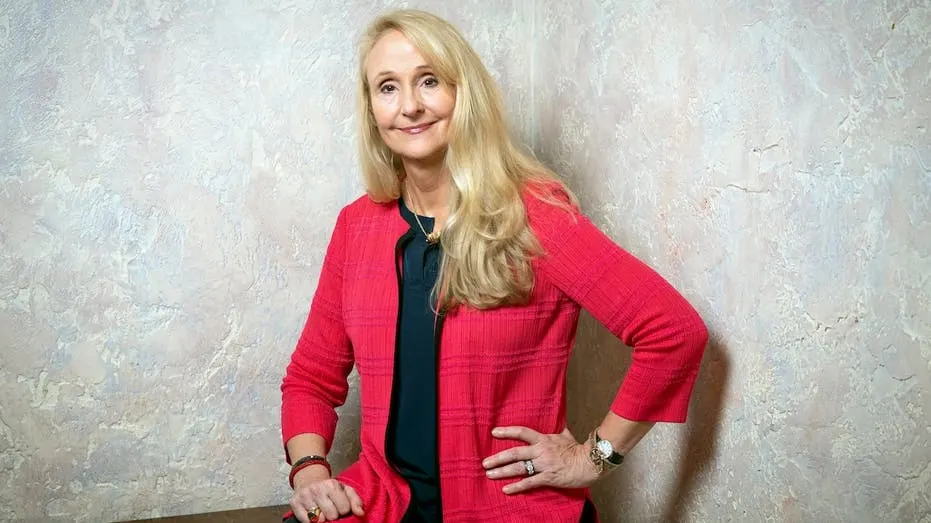
Nancy Hogshead, a three-time Olympic swimming gold medallist, has launched a Change.org petition urging the WNBA to explicitly restrict player eligibility to biological women, amid a wider debate over gender identity policy in women's sport. Although the league's 2026 collective bargaining agreement states that "only players who are women are eligible to play," it does not define what constitutes a woman or address sex assigned at birth, which Hogshead argues leaves the rules open to ambiguity that needs closing.
The petition has gathered more than 11,000 signatures since launching on 14 August, with Hogshead hoping to reach 100,000. The controversy was fuelled by former NBA players Enes Kanter Freedom and Royce White announcing plans to enter the 2027 WNBA Draft while identifying as women, prompting the league to dismiss the move as ineligible "publicity stunts". The WNBA has said there are no immediate eligibility issues and has criticised "bad-faith efforts" to exploit the debate, while commissioner Cathy Engelbert said discussions with the players' union would continue. Hogshead also praised Indiana Fever guard Sophie Cunningham, who has publicly opposed transgender participation in women's sport and has drawn supportive rallies outside WNBA games.
In short
- Olympic swimmer Hogshead petitions WNBA to define "woman" in eligibility rules
- Petition has over 11,000 signatures, targeting 100,000
- Debate sparked by two ex-NBA players' 2027 WNBA Draft claims
Steelman: both sides, in good faith
The strongest fair case each way — we don't pick a winner.
The case for
Those supporting explicit biological eligibility criteria argue that clarity and fairness in competition require defining eligibility based on sex assigned at birth. They contend that athletic advantages stemming from male puberty represent a material reality that women's sports rules must account for, and that women fought long to establish dedicated sporting spaces. From this perspective, ambiguity in current policy leaves the WNBA vulnerable to inconsistent rulings, and establishing transparent standards grounded in biology serves both competitive fairness and the interests of the athletes currently building women's professional basketball.
The case against
Those opposing explicit biological restrictions argue that transgender women are women and that such restrictions amount to discrimination based on sex characteristics. They contend that medical evidence demonstrates hormone therapy substantially reduces athletic advantages, and note that the league faces no current eligibility disputes—the controversy centres on hypothetical scenarios rather than actual problems. From this view, focusing heavily on edge cases risks stigmatising a tiny population of athletes whilst existing policies and medical protocols already provide appropriate safeguards.
Explained simply
The WNBA is the main professional basketball league for women in the United States. Its rules say players must be women, but do not spell out how the league defines that eligibility.
Nancy Hogshead is a former US swimmer who won three Olympic gold medals and campaigns on issues affecting women in sport. Her petition is part of a wider debate about how sports organisations should set eligibility rules for transgender athletes.
The issue matters because eligibility policies shape who can compete and how women’s leagues apply their rules. The WNBA, its players’ union and athletes have differing roles in discussions about those policies.
Americas Basketball Sport World