Technology news and discussion on TalkFuse.
US outlines its $5 billion Genesis Mission to boost science with AI
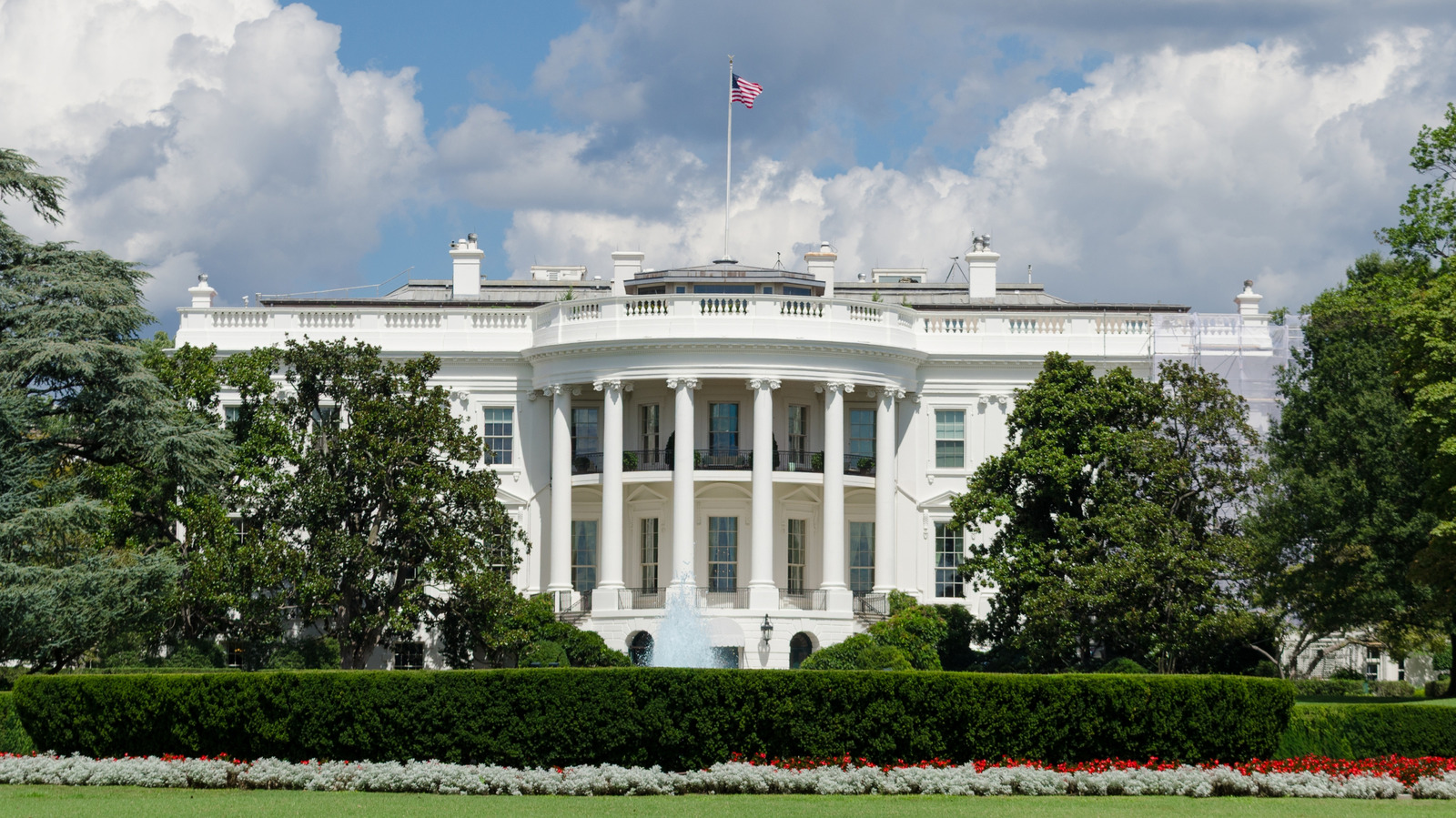
The White House and the US Department of Energy have set out details of the Genesis Mission, a federal initiative using artificial intelligence to accelerate scientific research. Created by executive order last November, the programme now involves at least 15 federal agencies and has more than $5 billion committed to it, marking a significant coordinated push to apply AI across government-funded science.
Participants, including the National Institutes of Health, NASA, the National Science Foundation and the Departments of Defense, Agriculture and Commerce, will pursue "National Science and Technology Challenges" through research awards, funding, specialised datasets and facilities. These span healthcare (such as identifying causes of chronic disease), energy infrastructure, national defence, and broader "discovery" areas like quantum computing, space science and autonomous laboratories. Microsoft has also joined as a corporate partner, establishing a coordinating office called SPARK and providing cloud computing and AI credits to support the effort.
In short
- US launches $5bn Genesis Mission to boost science using AI.
- Over 15 federal agencies involved, led by the Department of Energy.
- Microsoft joins as partner, offering cloud and AI credits via SPARK.
Steelman: both sides, in good faith
The strongest fair case each way — we don't pick a winner.
The case for
AI has demonstrated capabilities in accelerating discovery across genomics and drug screening; coordinated action across federal agencies prevents duplication and enables shared infrastructure, whilst Microsoft's partnership supplies computing resources without purely government expenditure. Targeting pressing challenges like chronic disease, renewable energy, and quantum computing reflects sound prioritisation. This investment positions America competitively as other nations similarly invest in AI-driven research.
The case against
Whilst AI shows promise, the $5 billion commitment is substantial with uncertain returns across complex research domains. AI systems risk perpetuating biases from historical data, potentially worsening health disparities, whilst private sector involvement introduces conflict between profit motives and pure scientific pursuit. Large federal initiatives historically struggle with overhead and missed targets; resources might be better deployed towards fundamental research or immediate public needs.
Explained simply
The Genesis Mission is a United States government programme that uses artificial intelligence to accelerate scientific research. Launched by presidential executive order in late 2025, it represents a coordinated effort across multiple federal agencies with $5 billion in committed funding.
At least 15 federal agencies are involved, including the National Institutes of Health, NASA, the National Science Foundation, and the Departments of Defence, Agriculture and Commerce. They are working on what they call "National Science and Technology Challenges" spanning healthcare, energy infrastructure, national defence, quantum computing, space science and autonomous laboratories.
Microsoft has joined the initiative as a corporate partner, establishing a coordination office and providing cloud computing resources and AI credits. The programme reflects the US government's attempt to harness AI across its scientific agencies to tackle complex research problems more rapidly.
AI Americas Cricket Sport Technology World