World news and discussion on TalkFuse.
US pursuit of ‘Trump-class’ warships has blown cost of new fleet by billions, report warns
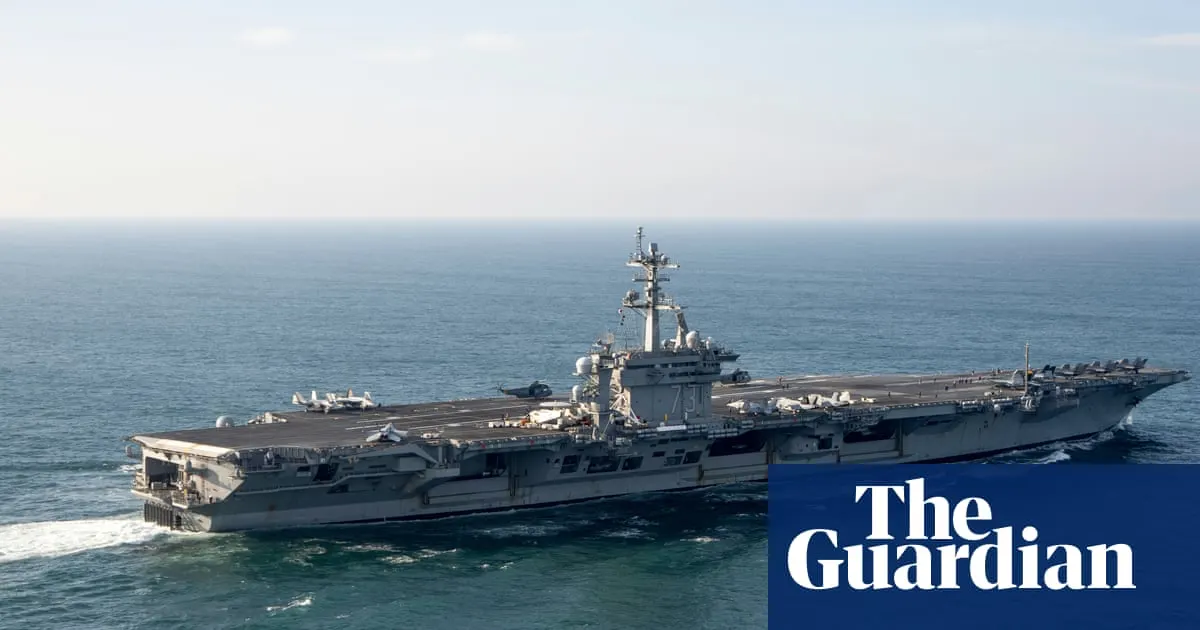
The US Navy’s proposed 30-year fleet expansion is expected to cost billions more than its own estimates, with a Congressional Budget Office review saying the projections are too low. The plan includes 15 proposed Trump-class battleships, which account for much of the extra cost and would concentrate firepower in a few large ships, despite the Navy’s stated aim of distributing it across more vessels.
The CBO estimates average annual shipbuilding costs of $54bn in 2026 dollars, about 18% above the Navy’s projections, as the service seeks to grow from 286 to 381 battle force ships. The Navy is also under pressure from extended deployments and maintenance delays; acting secretary Hung Cao said the Iran war was stretching the fleet. Shipping through the Strait of Hormuz remains about 65% below pre-war levels, while Cao said insurance for a single passage had risen from $54,000 a year ago to $64m.
In short
- The CBO says Navy fleet costs are underestimated.
- Trump-class battleships drive much of the extra spending.
- Iran war pressures the fleet and disrupts Hormuz shipping.
Steelman: both sides, in good faith
The strongest fair case each way — we don't pick a winner.
The case for
A larger fleet could help the Navy meet expanding security demands, ease pressure from long deployments and maintenance backlogs, and provide more ships for missions across the world. Supporters could argue that the CBO’s higher estimate identifies a funding gap to address, rather than a reason to abandon the plan, and that the proposed battleships may offer substantial capability if their cost and operational value are justified.
The case against
Critics could argue that a programme already projected to cost substantially more than the Navy estimates risks diverting funds from maintenance, readiness and more numerous ships. Concentrating firepower in a small number of costly battleships may also leave the fleet less resilient, while the cost uncertainty makes it harder to judge whether the expansion is an efficient response to current demands.
Explained simply
The US Navy is the country’s sea-going military force, responsible for operations around the world. It wants to expand its fleet over 30 years, increasing the number of battle force ships from 286 to 381. The Congressional Budget Office, which advises Congress on the cost of government plans, has examined the Navy’s projections.
The plan includes 15 proposed Trump-class battleships, very large warships intended to carry substantial firepower. The Navy says it wants to spread its firepower across more vessels, while the proposed ships would place much of it in a smaller number of large ones. Building and maintaining a fleet affects how much the US spends on defence and how many ships it can keep available.
The Navy is also dealing with long deployments and delays in ship maintenance. These pressures matter because ships are needed for operations at sea, including in regions important to international trade.
Americas Government Middle East Politics World