World news and discussion on TalkFuse.
US reacts cautiously to Myanmar genocide ruling as EU praises ‘critical’ role of UN’s top court
Developing story first seen 3 hours ago
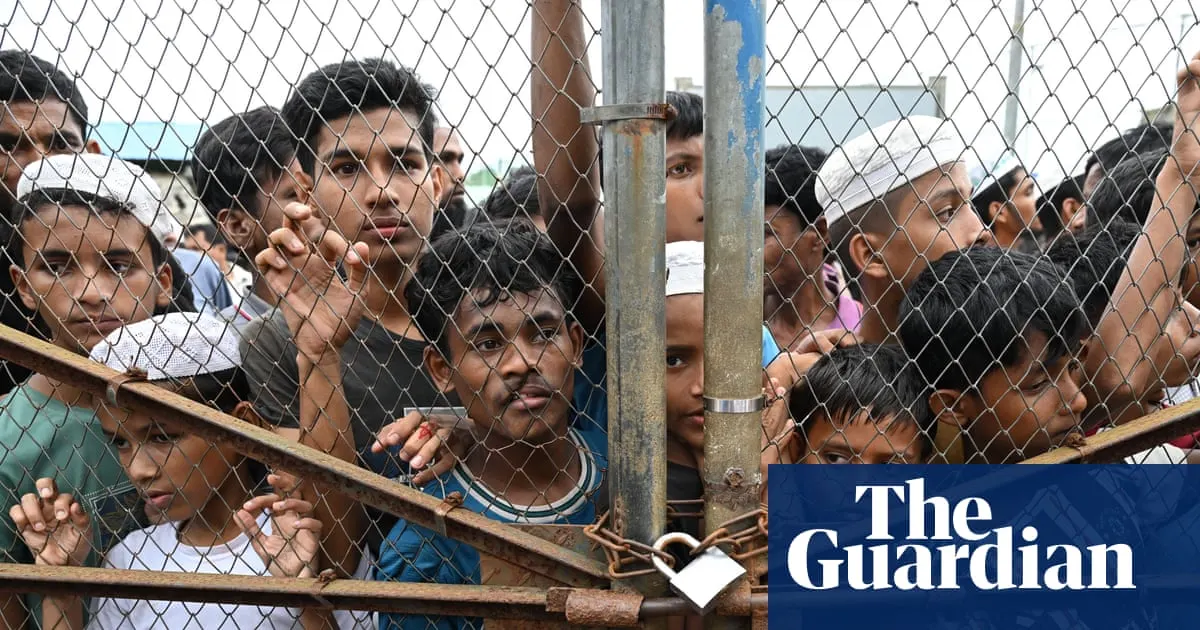
New international reactions have sharpened divisions over the authority of the International Court of Justice after it ruled that Myanmar committed genocide against the Rohingya. The US said it was examining the judgment and cautioned against politicising the court, while China raised concerns about judicial overreach; the ruling could shape future genocide cases, including one against Israel.
The EU called the decision a landmark and said Myanmar must implement it without delay, while the UK reaffirmed its support for the court and Australia urged compliance. Myanmar’s military authorities rejected the ruling as unfair, citing the judges’ 9–6 vote; the US also expressed grave concern about abuses against Rohingya and other minorities and said it was the largest single humanitarian donor to the Rohingya crisis response.
- Sources
- 3
- Outlets
- 3
- Left · Centre · Right
- 2 · 1 · 0
In short
- US response is cautious; China questions the court’s reach.
- EU, UK and Australia back compliance with the ruling.
- Myanmar rejects the 9–6 judgment as unfair.
How this story developed
- 10 minutes ago The International Court of Justice has ruled that Myanmar committed genocide against the Rohingya, its first finding that a state is responsible for genocide.
- 14 minutes ago New international reactions have sharpened divisions over the authority of the International Court of Justice after it ruled that Myanmar committed genocide against the Rohingya.
Where outlets differ
Left-leaning outlets 2
- US reacts cautiously to Myanmar genocide ruling as EU praises ‘critical’ role of UN’s top courtThe Guardian
- Israeli experts warn Myanmar genocide ruling could strengthen Gaza case at ICJMiddle East Eye
Only here: reacts, cautiously, praises, critical, role
Centre outlets 1
Only here: comes, next
Every side used: myanmar, genocide, ruling
Headline columns compared word for word; nothing in them is AI-written.
Steelman: both sides, in good faith
The strongest fair case each way — we don't pick a winner.
The case for
Supporters argue that the ruling affirms the court’s role in applying international law and gives weight to evidence of grave abuses against the Rohingya. They say compliance matters both for accountability and for deterring future atrocities, and that the court’s findings should be assessed on their legal merits.
The case against
Critics argue that a closely divided ruling by an international court can raise questions about its authority and the fairness of imposing binding judgments on states. They caution that politicisation or inconsistent application of the court’s standards could weaken trust in its decisions, while stressing that serious allegations still require careful scrutiny.
Explained simply
The Rohingya are a mainly Muslim minority from Myanmar, where the military has long held significant power. Many Rohingya have faced violence and restrictions, and hundreds of thousands fled to neighbouring Bangladesh after a military crackdown in 2017.
The International Court of Justice is the United Nations’ top court, which settles legal disputes between countries. The case was brought by The Gambia, which argued that Myanmar’s treatment of the Rohingya breached the Genocide Convention, an international treaty.
The ruling matters because it addresses whether a state can be held responsible for genocide under international law. Countries differ over the court’s authority and how its decisions should be treated; the judgment may also inform other genocide cases, including one involving Israel.
Coverage · 3 sources
Bias meters
From 3 rated sources.
Americas Asia Europe Geopolitics Politics World