US restricts government travel to Mexican border city over threat concerns
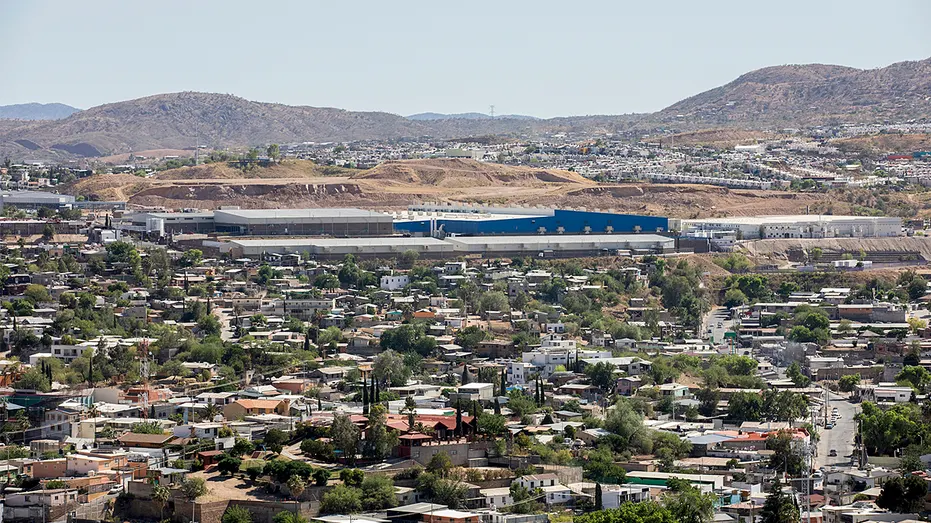
The US Embassy and Consulates in Mexico have restricted government travel to Nogales, in the border state of Sonora, after receiving unspecified threat information. American officials have limited government activity in the city to essential movement during daylight hours only and have warned US citizens of the change in security posture, though no details of the specific threat have been made public.
The restriction was announced by the US Consulate General in Nogales on Saturday, prompting Sonora's State Security Board to contact American consular officials, though it said it had received no information identifying a concrete risk to the public and would maintain existing preventive security measures. The advisory also reiterated that Sonora is designated Level 3, "Reconsider Travel," under the US Travel Advisory system, and urged anyone in the area to stay alert, seek shelter if needed, keep loved ones informed, follow instructions from Mexican authorities and monitor local media. Republican congressman Andy Biggs urged Americans in the area to heed the warnings, but the nature of the threat remains undisclosed.
In short
- US limits government travel to Nogales, Mexico over unspecified threat
- Movement restricted to essential, daylight-hours-only activity
- Sonora already rated Level 3 "Reconsider Travel" by US advisory
Steelman: both sides, in good faith
The strongest fair case each way — we don't pick a winner.
The case for
Advocates of the cautious, low-disclosure approach argue that consular officials have a duty to protect American personnel and citizens first, and that publishing specific threat intelligence could compromise sources, tip off those responsible, or provoke the very violence it seeks to prevent. They point out that Sonora was already designated Level 3 for its high crime and cartel activity, so tightening movement to daylight hours and essential travel only is a proportionate, precautionary step rather than an alarmist one, and that Mexican officials were promptly briefed, showing the process worked as intended.
The case against
Critics argue that issuing a public warning without any detail on the nature of the threat leaves residents, cross-border workers and Mexican authorities unable to make informed decisions about their own safety, and risks generating fear or economic disruption in Nogales without giving people anything concrete to act on. They contend that Sonora's State Security Board was right to note it had received no information pointing to a specific public risk, and that vague advisories, especially when amplified by politicians, can appear to substitute for accountability or verified evidence rather than genuinely protect the public.
Explained simply
Nogales is a city on the US-Mexico border in the Mexican state of Sonora, sitting directly opposite its sister city of the same name in Arizona. It is a major crossing point for trade and daily commuter traffic between the two countries, and Sonora has for some time carried a US government advisory warning of crime risks in the region.
The US Consulate General in Nogales oversees American diplomatic and consular staff working in the city, while Sonora's State Security Board is the Mexican state authority responsible for public safety in the area. The two bodies routinely coordinate on security matters affecting American citizens and officials in the border region.
This situation matters because Nogales is a heavily used crossing point, so any restriction on US government movement there can affect travellers, businesses and residents on both sides of the border, and raises questions about safety even when the underlying threat has not been disclosed.
Americas Culture Government Politics Travel World