World news and discussion on TalkFuse.
US says dozens of countries helped China dodge Trump’s tariffs
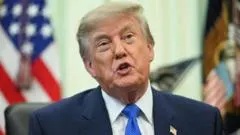
The White House has accused more than 40 countries of helping China circumvent US tariffs by allowing Chinese goods to be routed through places with lower American import duties. The allegation is likely to intensify trade tensions ahead of a planned September meeting between President Donald Trump and Chinese leader Xi Jinping, while raising concerns for countries closely integrated with Chinese supply chains.
The report named Canada, India, Mexico, Japan and South Korea, claiming that between $30bn (£22bn) and about $300bn in goods may have been rerouted. It alleges that some goods were repackaged to conceal their origin, while China rejected the tariff measures and warned against harming third parties. The US says it is using artificial intelligence to identify transshipment, although some shifts in trade flows may reflect legitimate production relocation.
In short
- US accuses over 40 countries of helping China evade tariffs
- Allegations may complicate Trump-Xi trade talks
- China rejects the claims and opposes unilateral tariffs
Steelman: both sides, in good faith
The strongest fair case each way — we don't pick a winner.
The case for
Countries should not knowingly facilitate tariff evasion, and if significant amounts of Chinese goods are being rerouted to circumvent lawful US tariffs, this represents a serious breach of trade norms requiring enforcement action. The White House has identified a consequential problem: goods deliberately repackaged or rerouted to avoid tariffs essentially allow China to negate legitimate American policy. With potentially hundreds of billions in affected goods, rigorous monitoring and accountability are necessary to ensure tariffs function as intended.
The case against
Transshipment and supply chain rerouting are normal features of global commerce and need not indicate deliberate evasion. Many shifts in trade patterns reflect legitimate production relocation and integrated supply chain dynamics rather than coordinated circumvention. Moreover, these US tariffs are economically controversial and harm other nations' lawful trading interests. Rather than assuming bad faith, one should acknowledge that tariff policy inherently creates incentives for workarounds, and that other countries have reasonable interests in maintaining established trade relationships.
Explained simply
Tariffs are taxes charged on goods brought into a country. The US has imposed tariffs on many Chinese imports, making them more expensive for American buyers. “Rerouting” or transshipment means sending goods through another country before they reach the US; this can be unlawful if their Chinese origin is hidden to avoid tariffs.
China is a major supplier of goods and parts to manufacturers around the world, so products may pass through several countries or involve production in more than one place. The countries named by the US include Canada, India, Mexico, Japan and South Korea. Their trade with China and the US means changes to tariff rules can affect businesses and supply chains across borders.
The dispute matters because the US and China are two of the world’s largest economies, and trade restrictions can raise costs and strain relations. A change in where goods are made or shipped may reflect efforts to avoid tariffs, but it can also result from legitimate business decisions.